
The Royal Mint
( number of products: 127 )
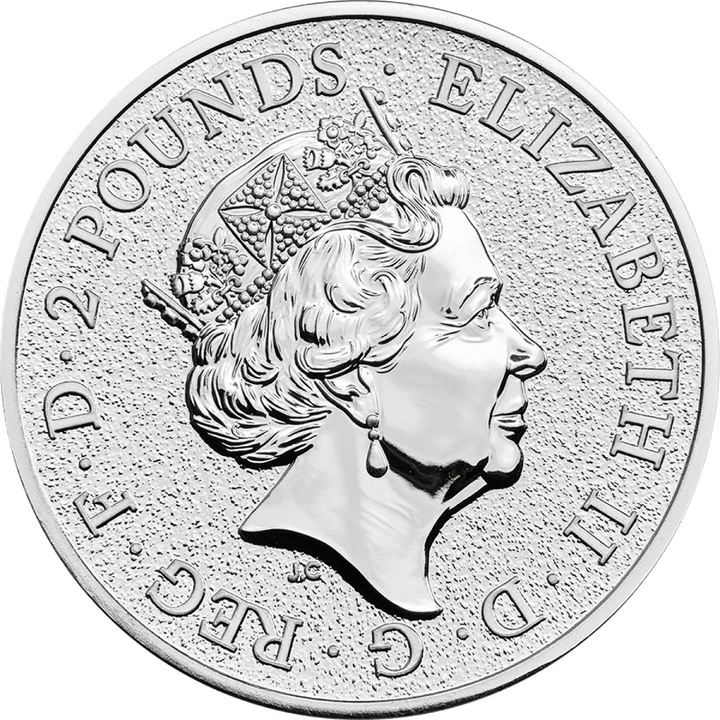

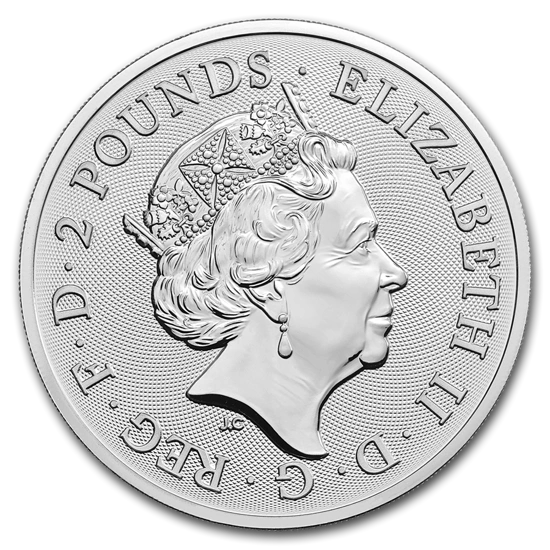

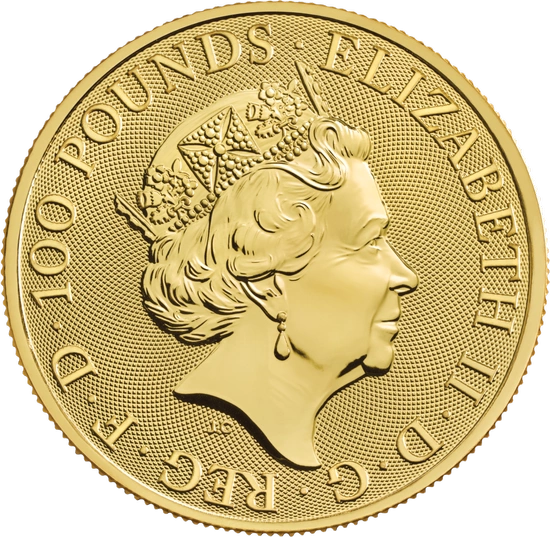
The Queen’s Beasts 2020: The White Horse of Hanover 1 oz Gold

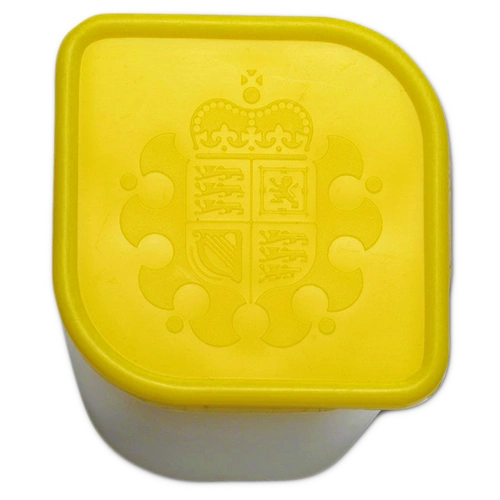
Coin Tubes Gold 1/4 oz Britannia and The Queen’s Beasts Empty

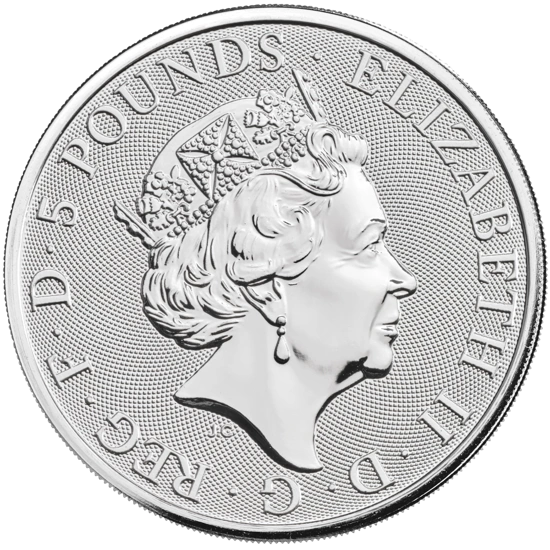
Beasts of the Queen: White Chart of Richmond 2 oz Silver 2021

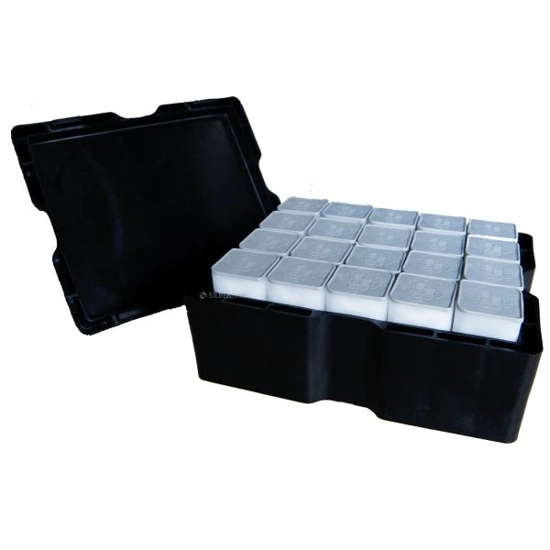
Original masterbox Britannia and The Queen's Beasts 1/4 and 1/10 ounce Gold


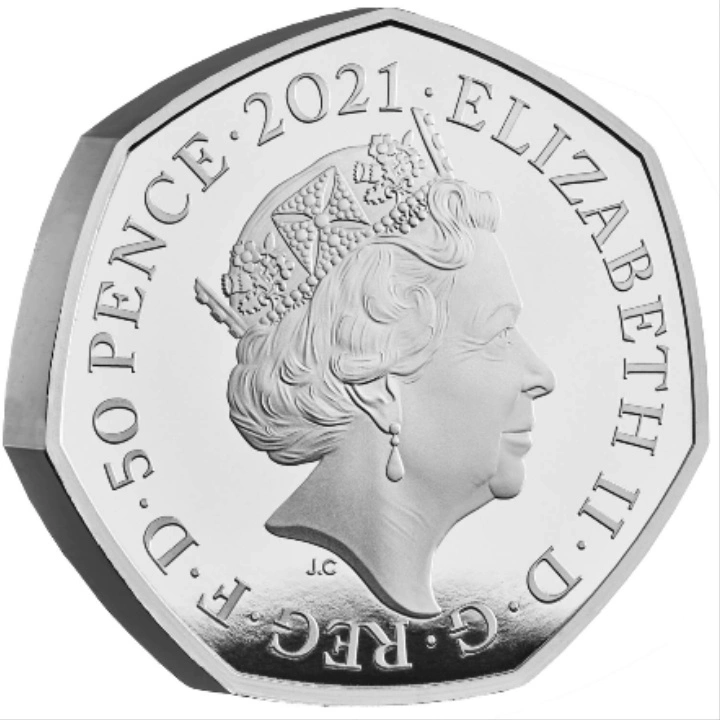

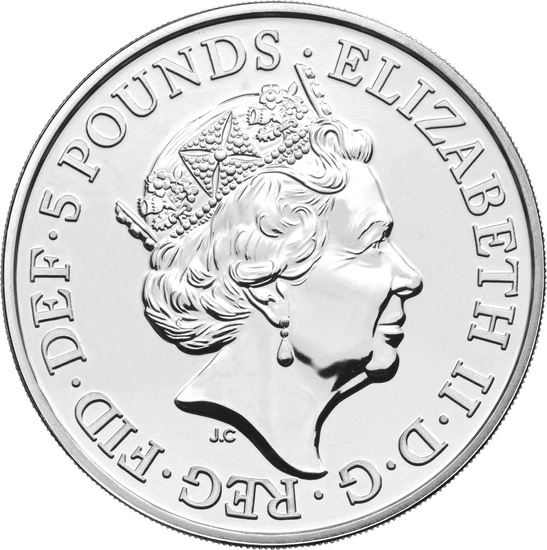

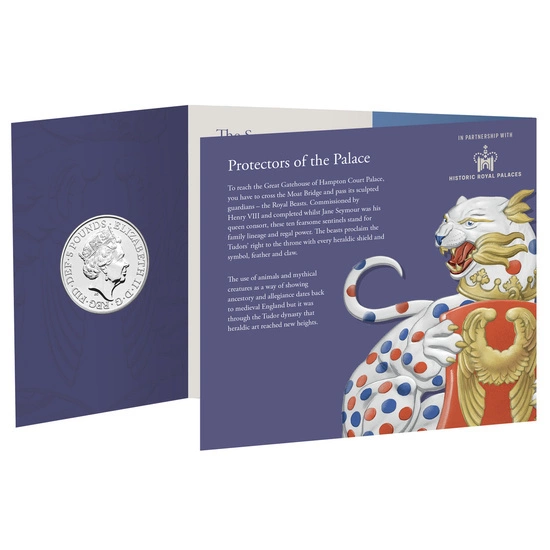
The Royal Tudor Beasts: Seymour Panther 28.28 grams of Copper 2022

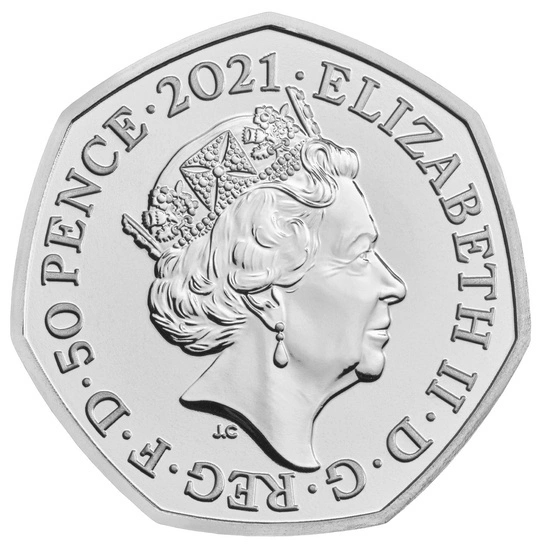
100. Anniversary of the discovery of insulin 8 grams Copper 2021

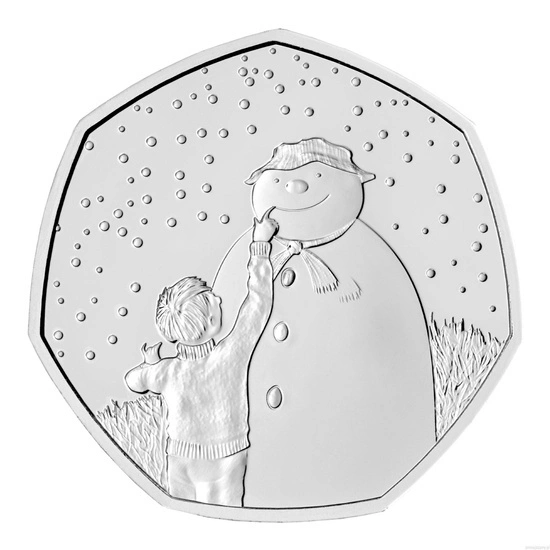


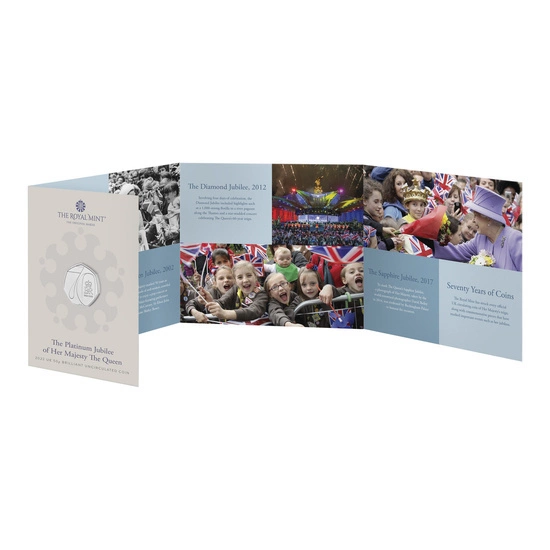
The Platinum Jubilee of Her Majesty The Queen Miedzionikiel 50p 2022

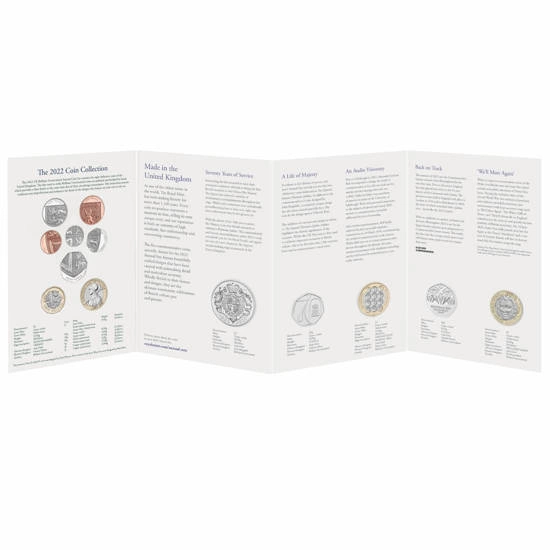

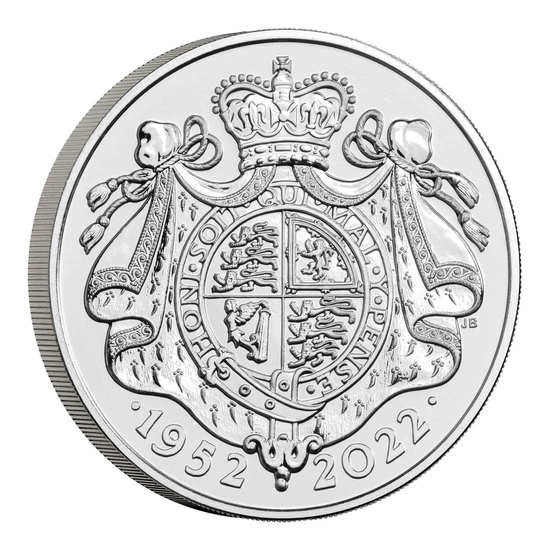
The Platinum Jubilee of Her Majesty The Queen Miedzionikiel £5 2022


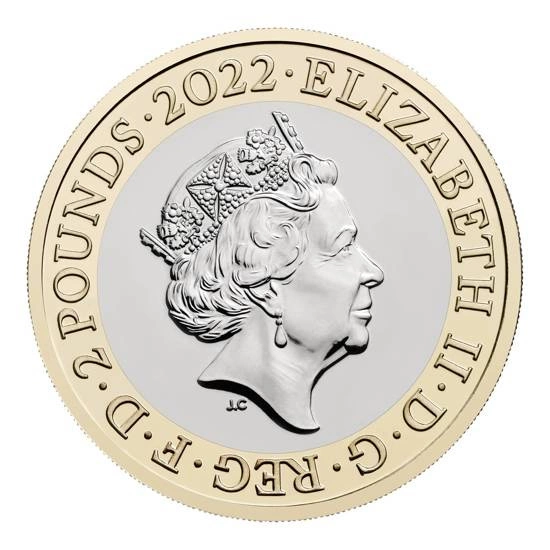



Celebrating the Life and Legacy of Dame Vera Lynn £2 Copper 2022

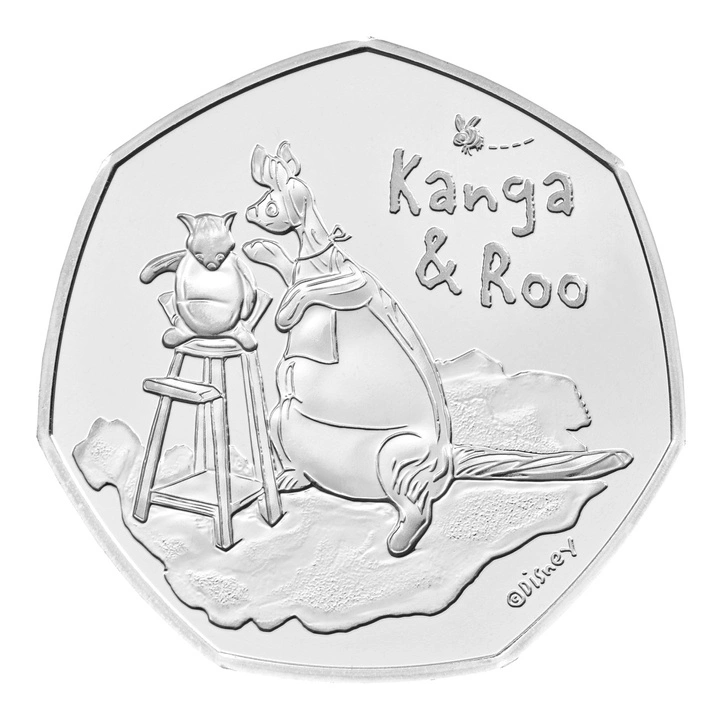

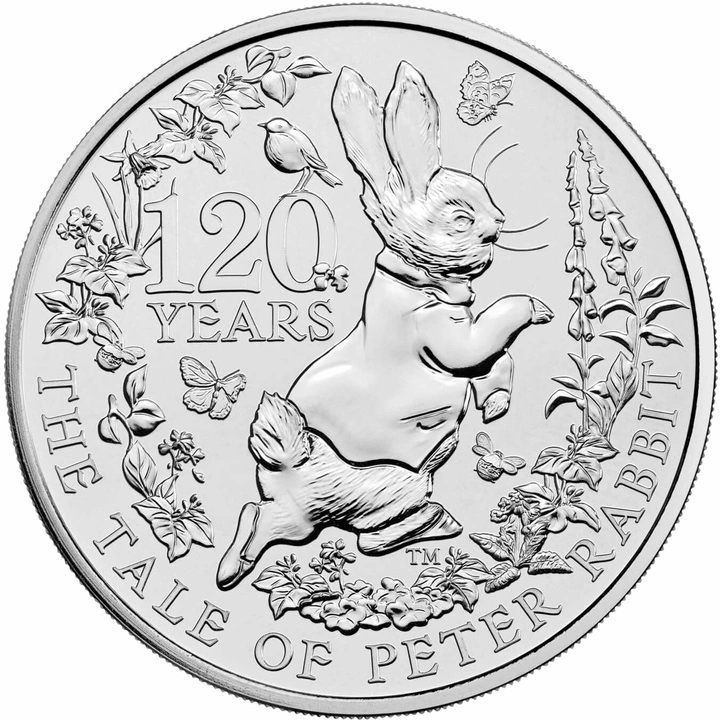

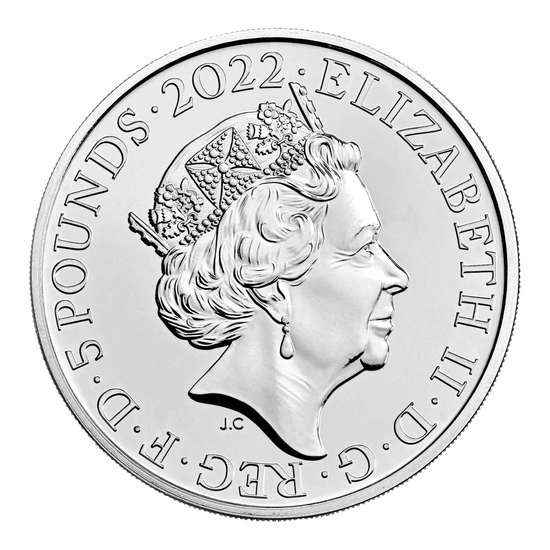
The 40th Birthday of HRH The Duke of Cambridge Miedzionikiel 2022

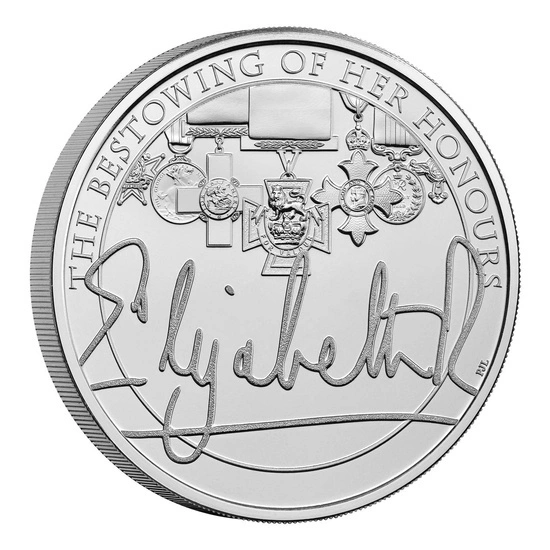
The Queen's Reign Honours and Investitures Miedzionikiel £5 2022

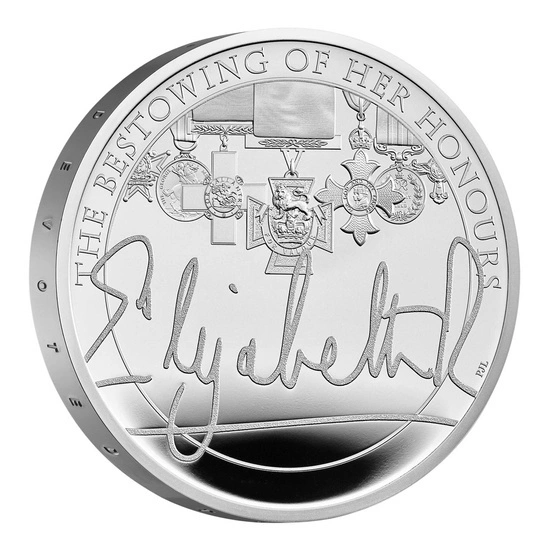
The Queen's Reign Honours and Investitures Silver £5 2022 Proof

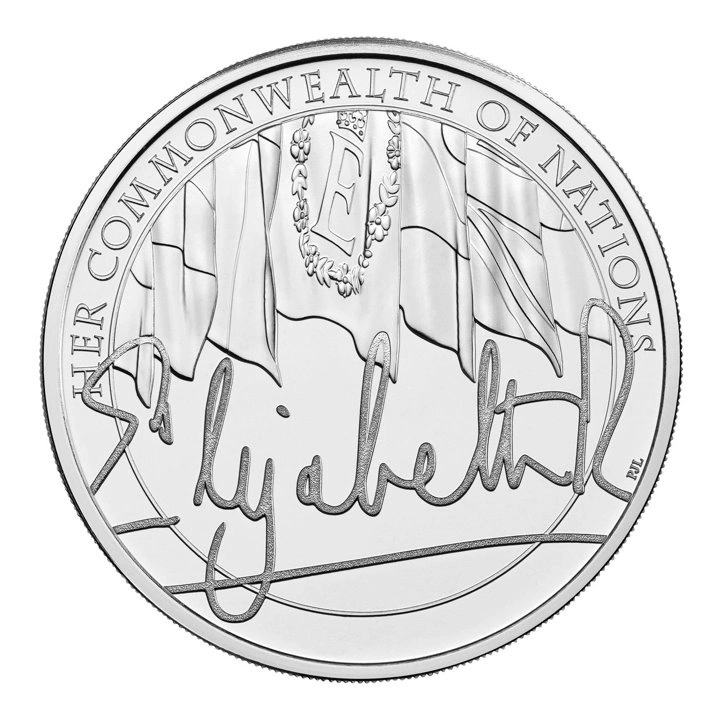


The Queens Reign - Commonwealth Silver £5 2022 Proof Piedfort

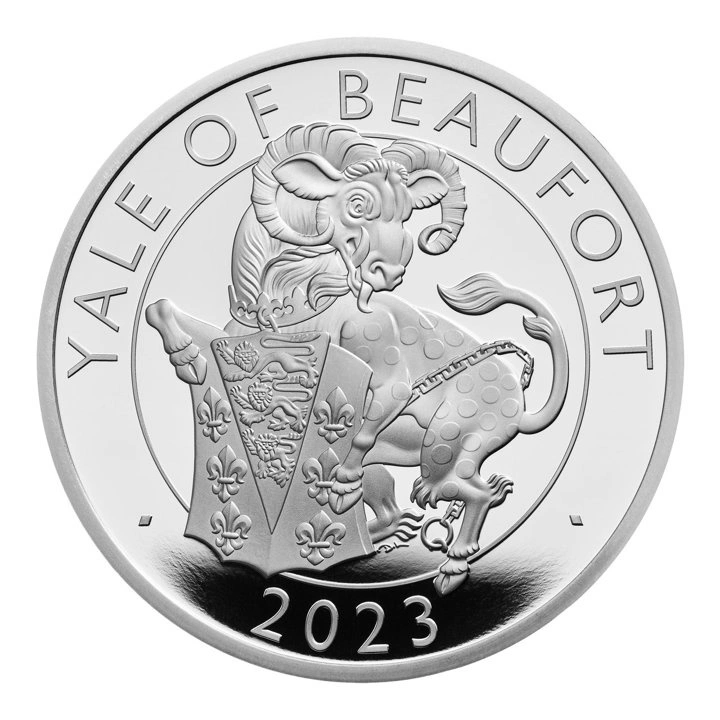
Set of 2 coins The Royal Tudor Beasts: The Yale of Beaufort 2 x 1 oz 2023 Proof

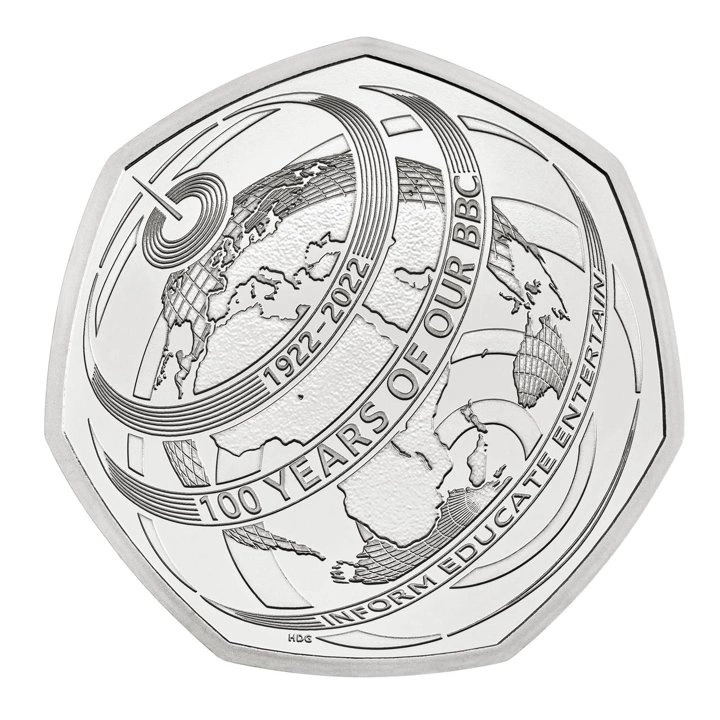

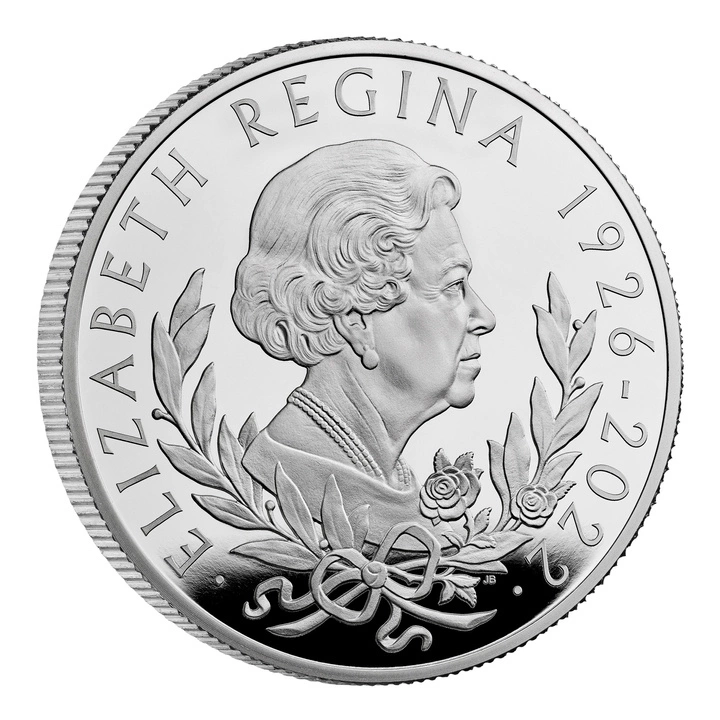

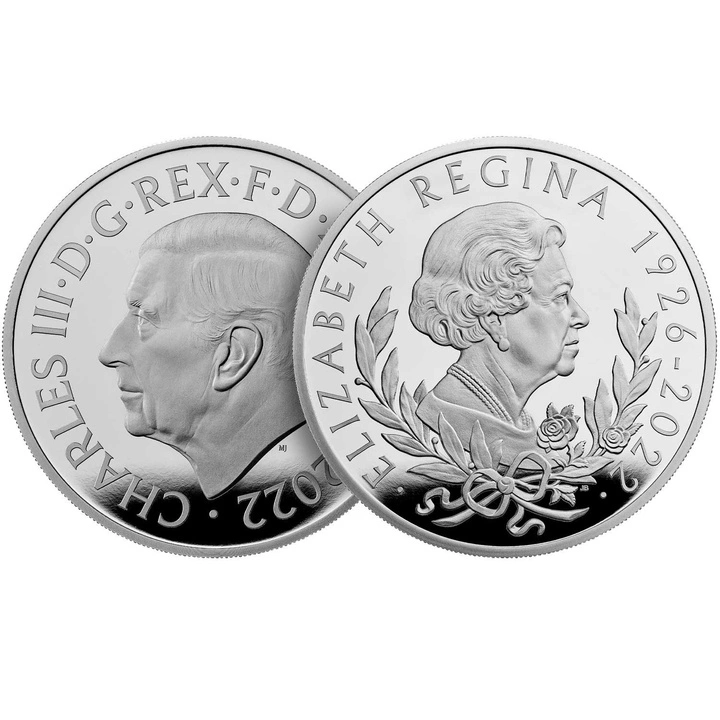
Her Majesty Queen Elizabeth II £10 10 oz Silver 2022 Proof

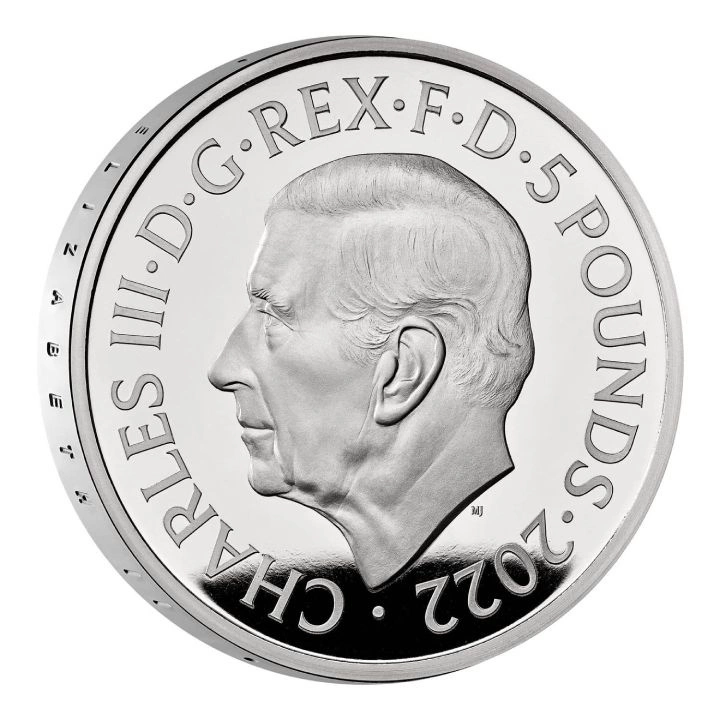

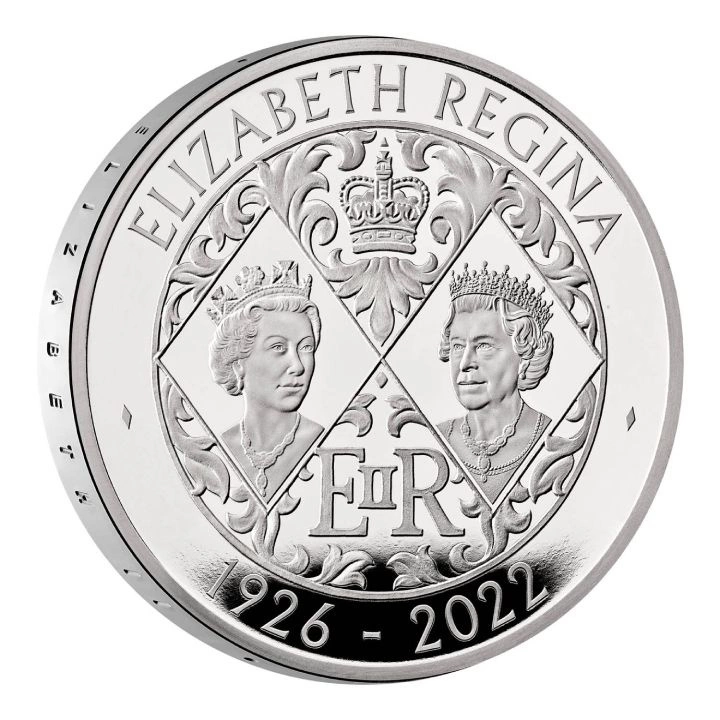
Her Majesty Queen Elizabeth II £5 Silver 2022 Proof Piedfort Coin

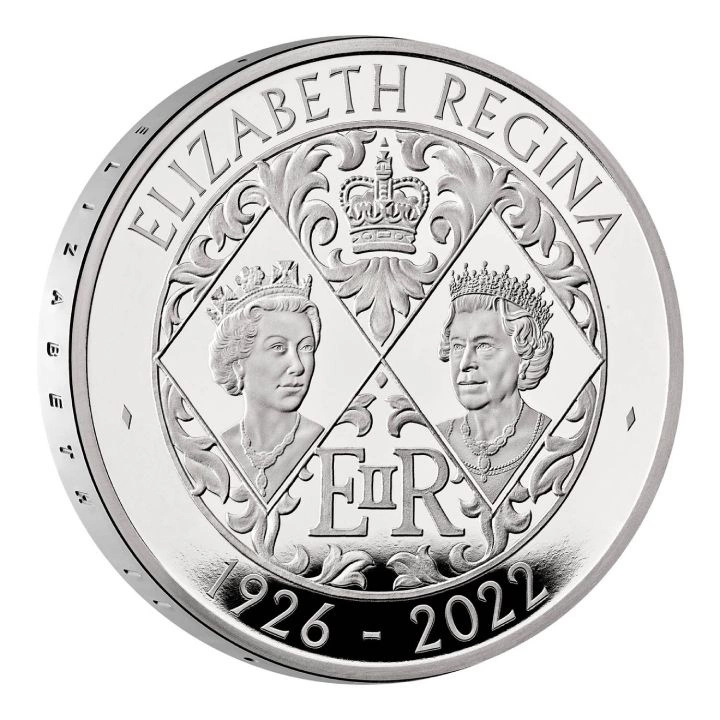

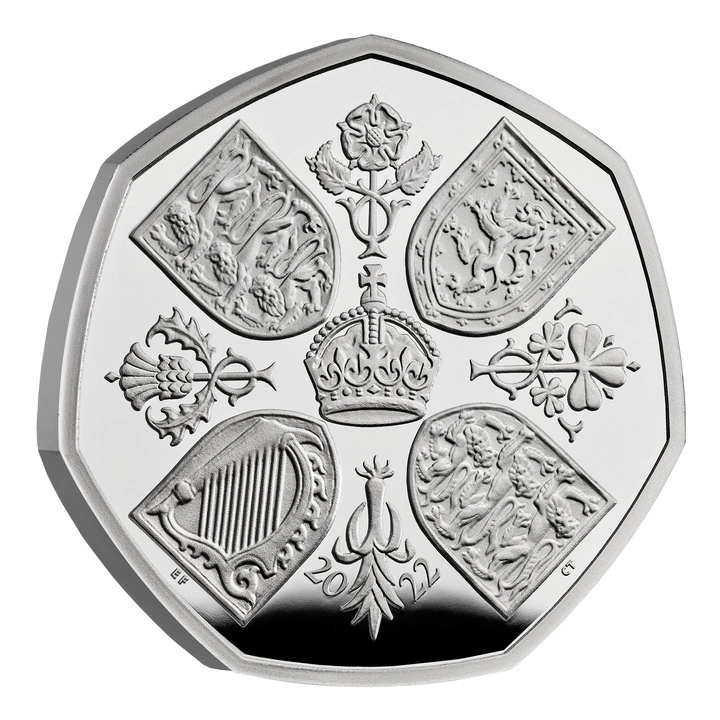
Her Majesty Queen Elizabeth II 50p Silver 2022 Proof Piedfort Coin

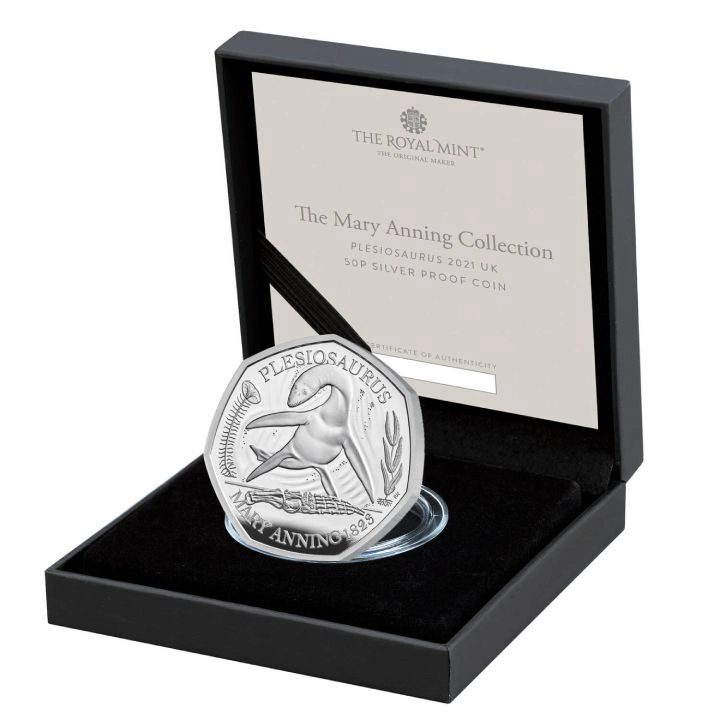


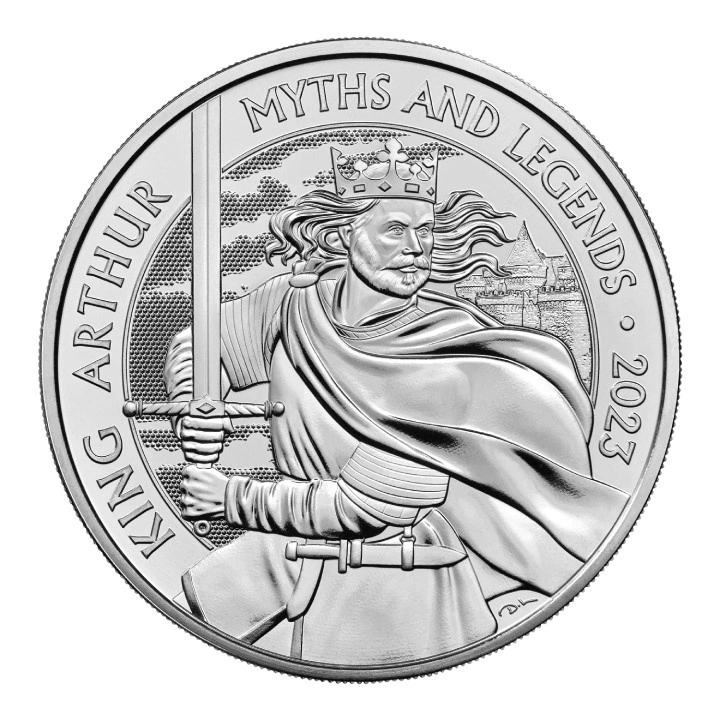

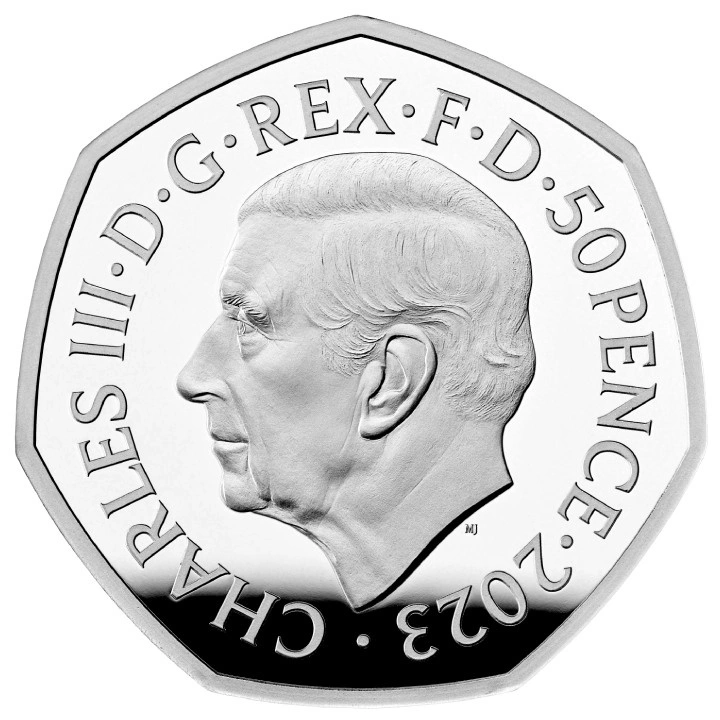
Harry Potter: Hogwarts School of Witchcraft and Wizardry colored 50p Silver 2023 Proof

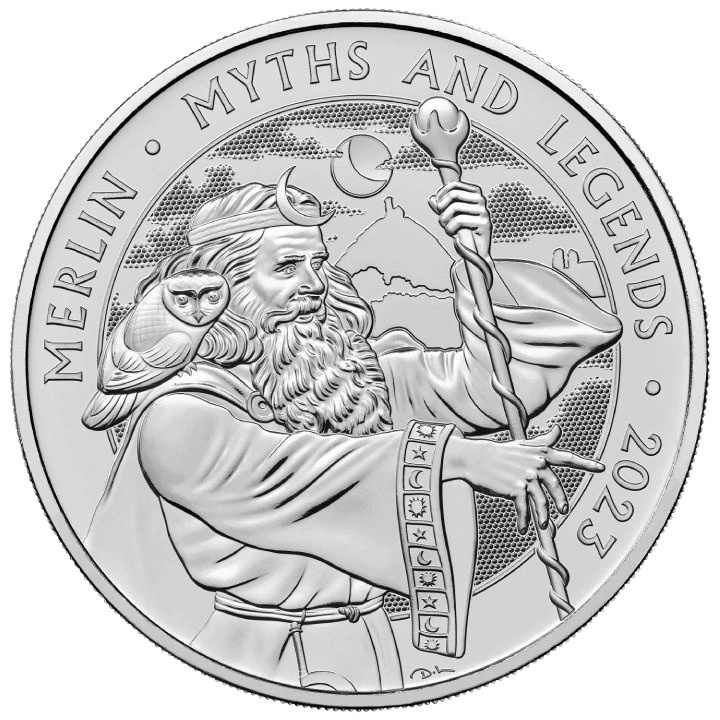

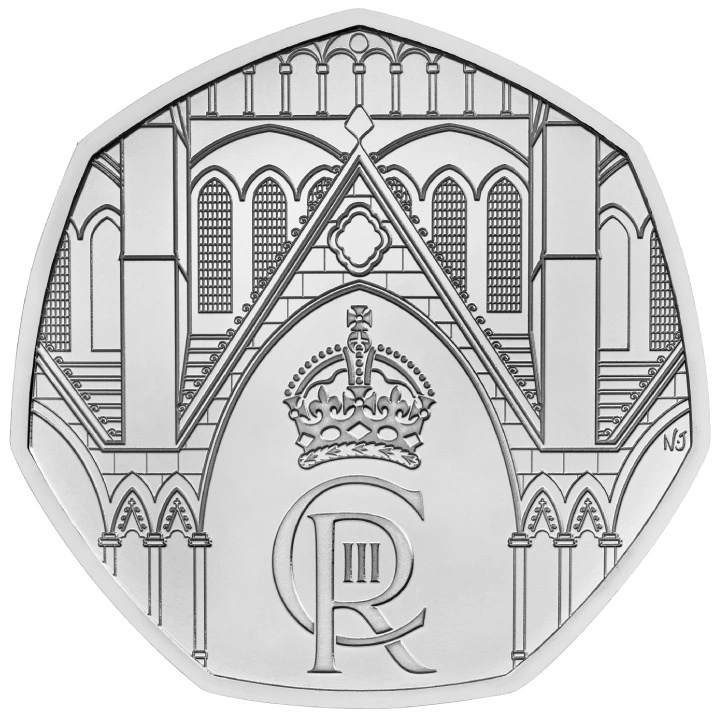
The Coronation of His Majesty King Charles III 50p Copper 2023

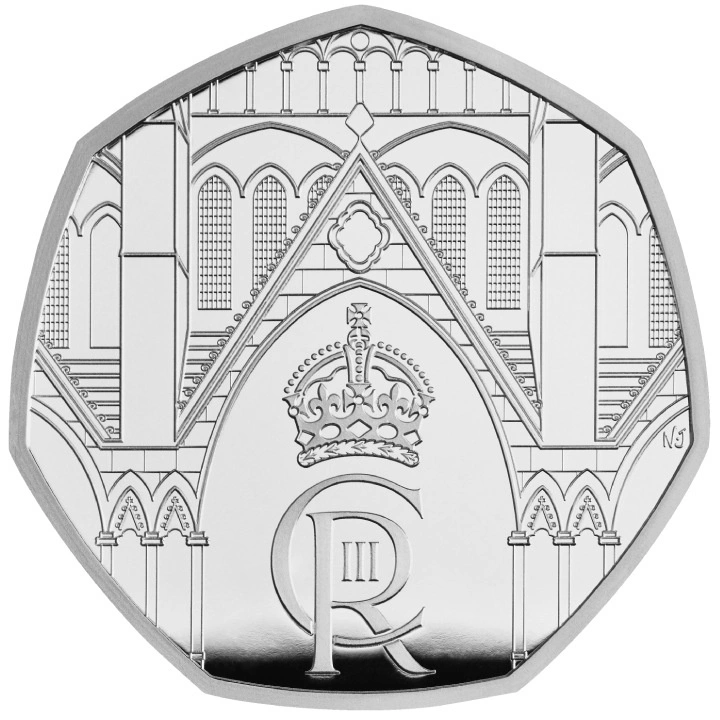
The Coronation of His Majesty King Charles III 50p Silver 2023 Proof

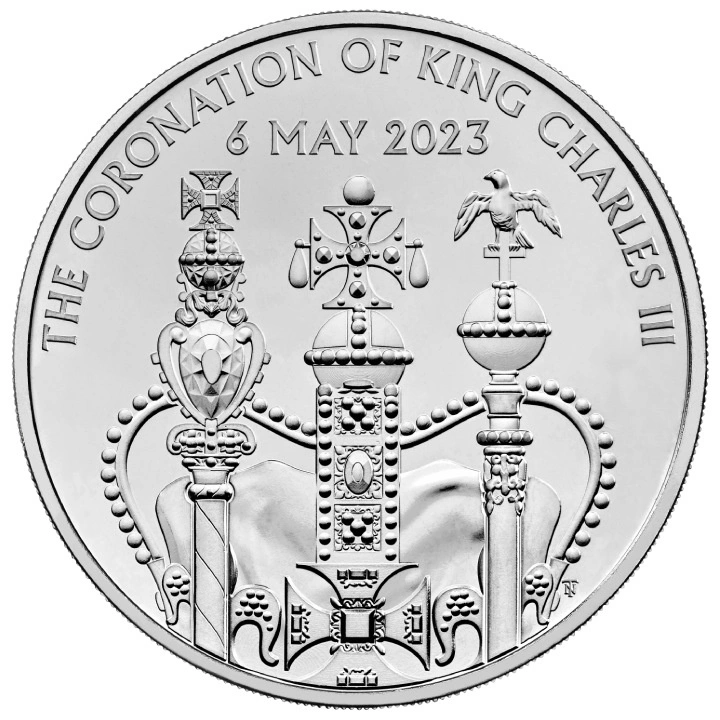
The Coronation of His Majesty King Charles III £5 Copper 2023

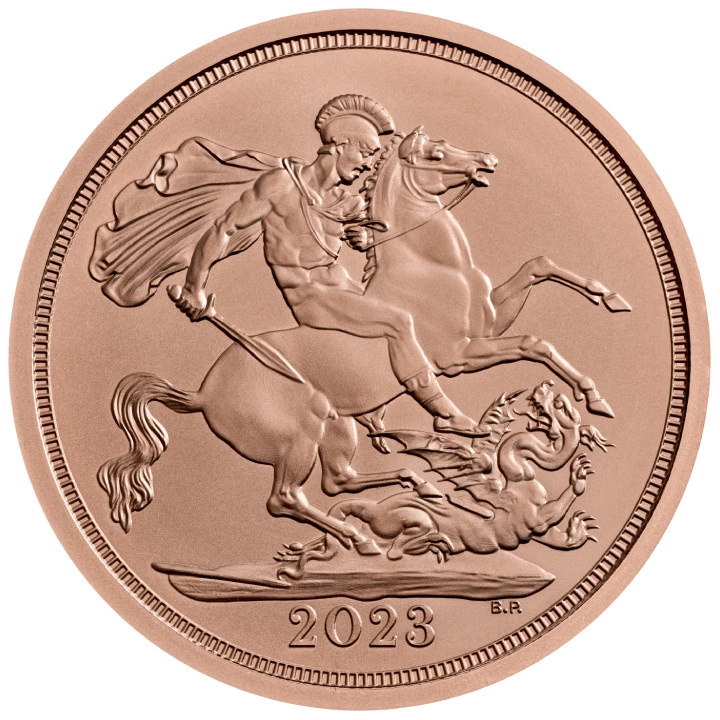
United Kingdom: Celebration Sovereign - The Coronation of His Majesty King Charles 2023 (Struck 6 May 2023)

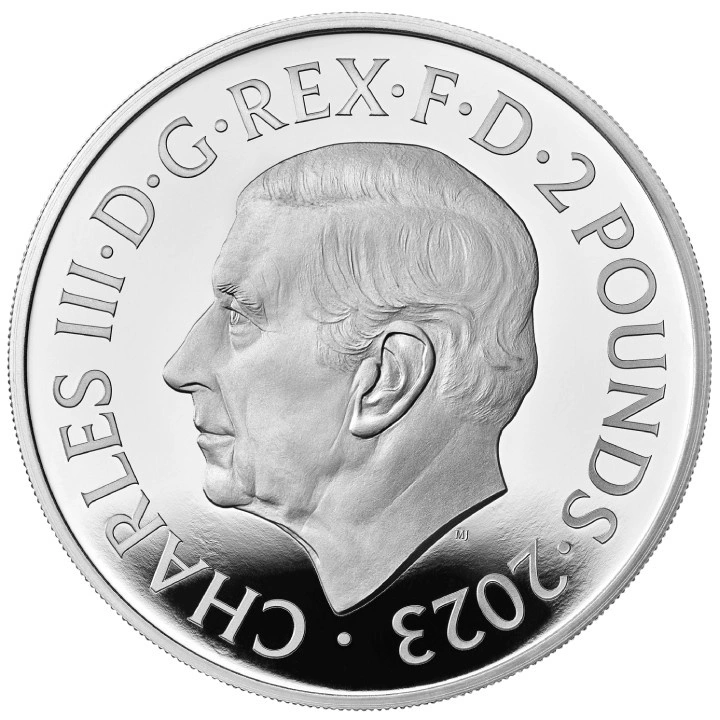

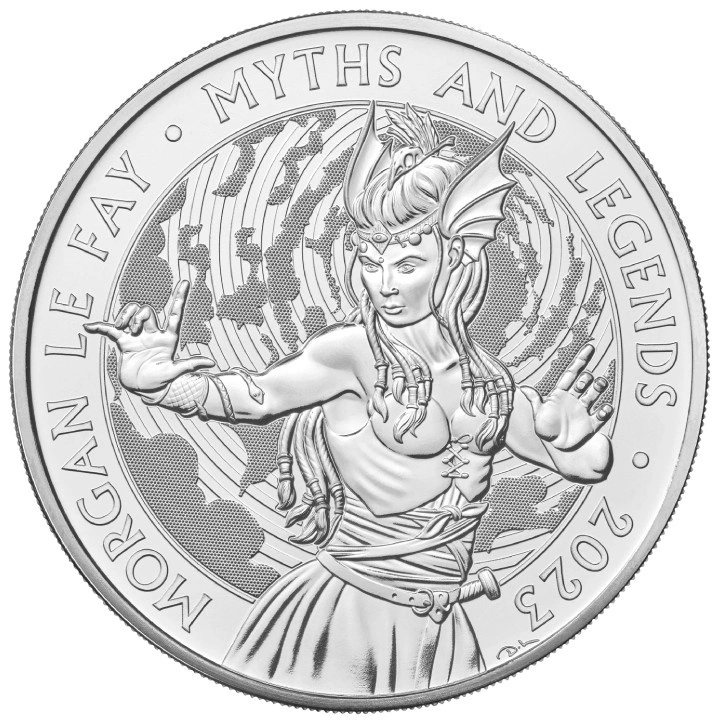


75 Years of the Windrush Generation colored 50p Silver 2023 Proof

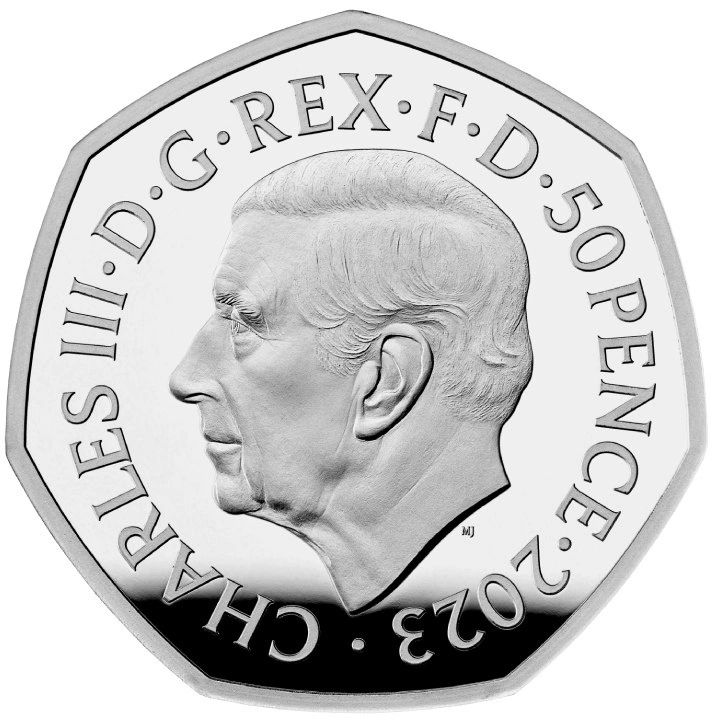
75 Years of the Windrush Generation colored 50p Silver 2023 Proof Piedfort

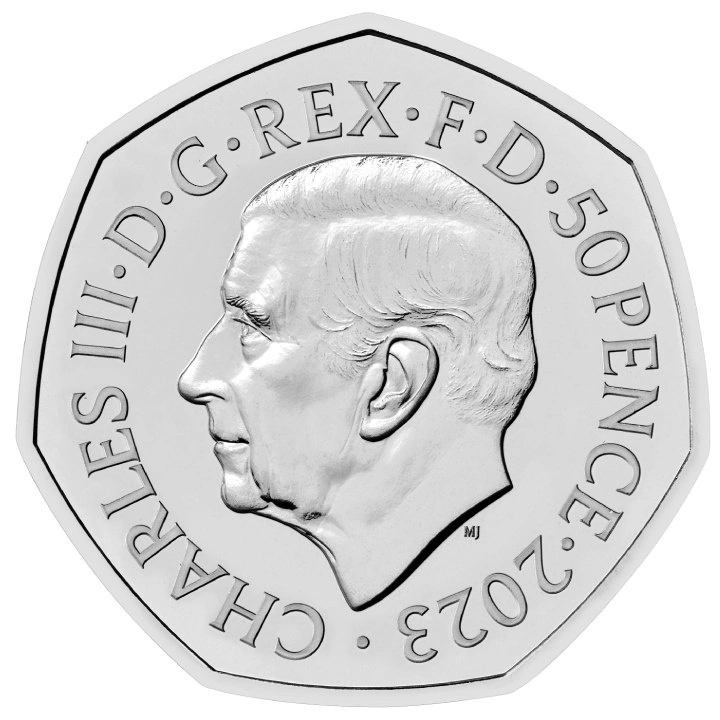

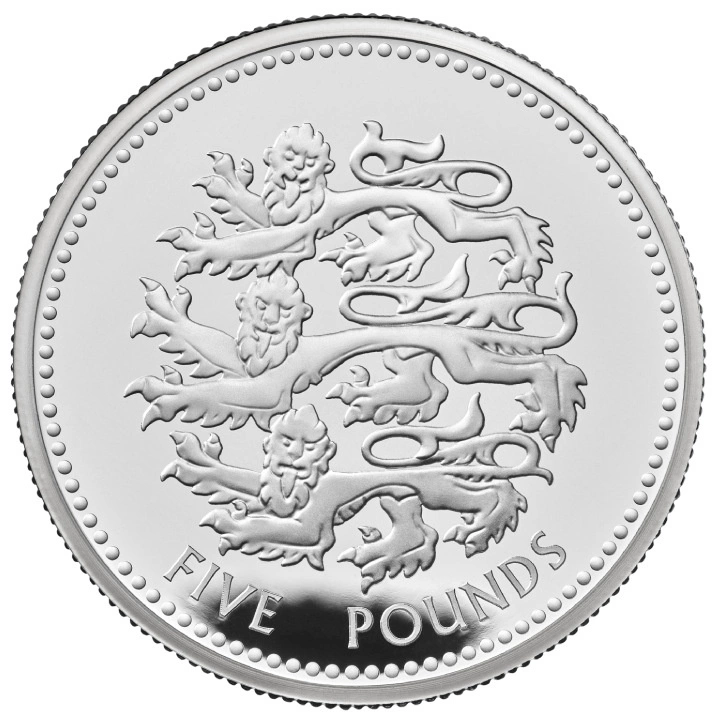

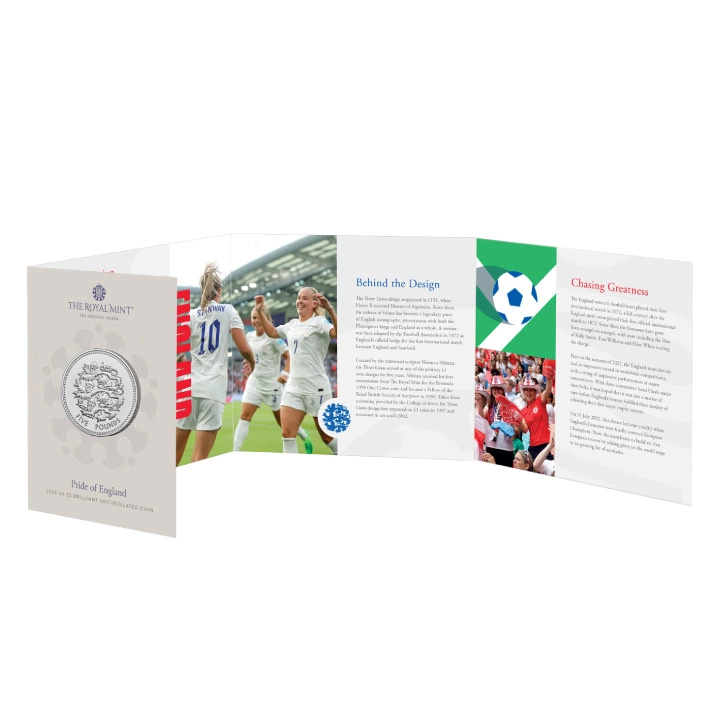

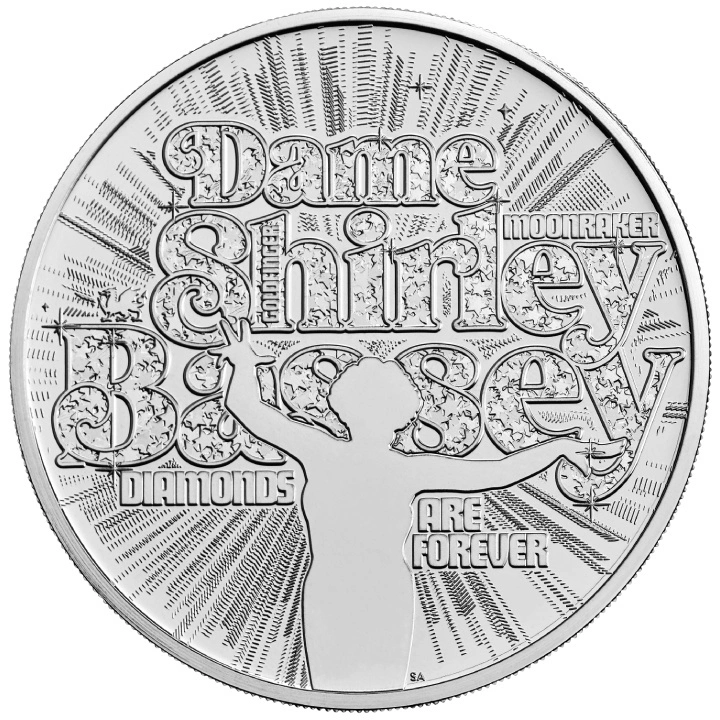


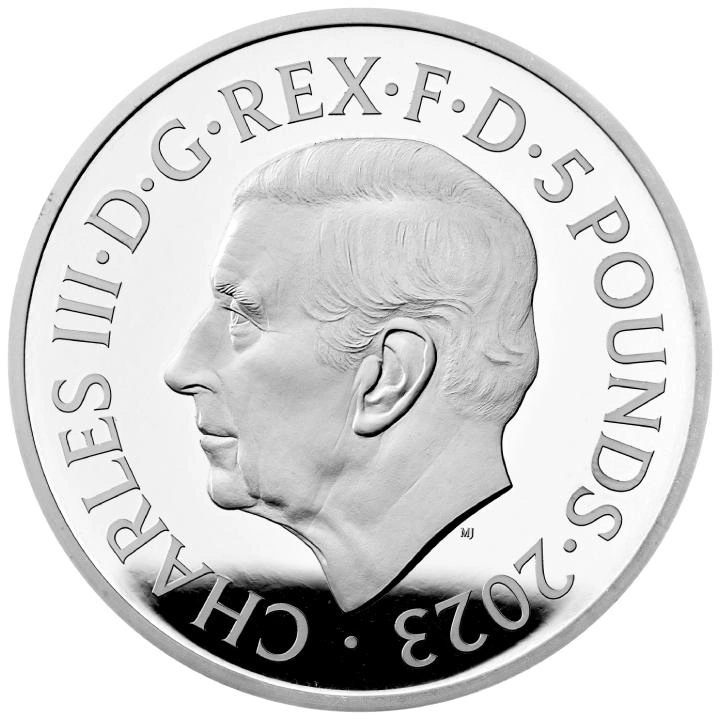


Set of 8 King Charles III Definitives Copper 2023 Proof coins

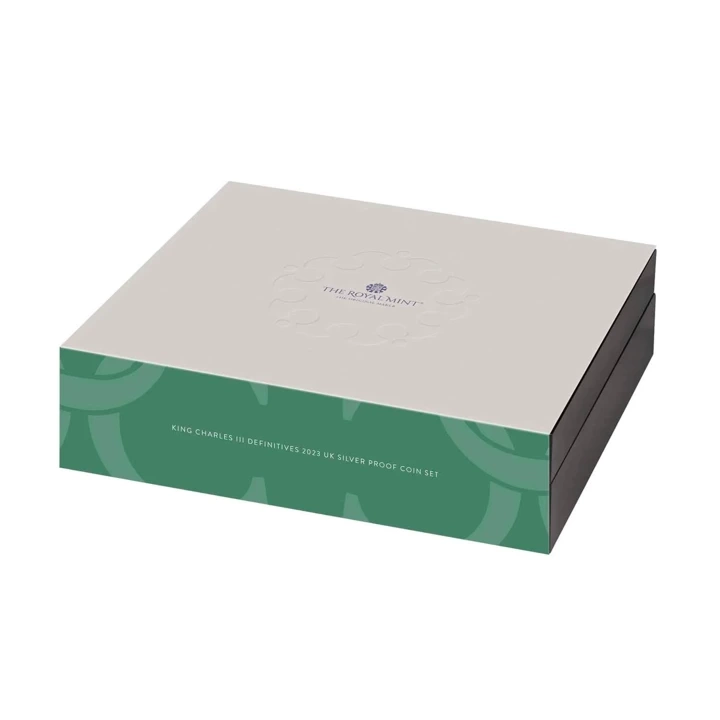
Set of 8 King Charles III Definitives Silver 2023 Proof coins

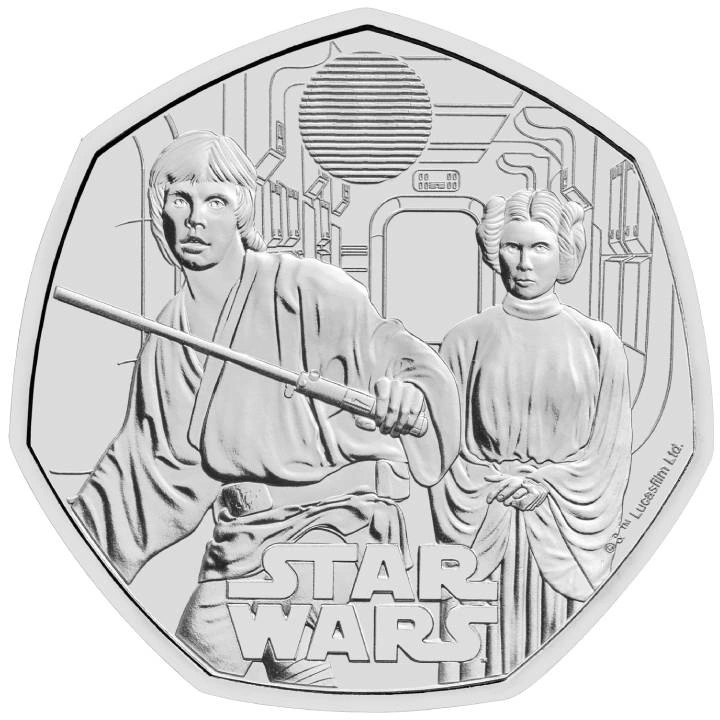
Star Wars: Luke Skywalker and Princess Leia 50p Cupro-Nickel 2023

Star Wars: Luke Skywalker and Princess Leia 1 oz Silver 2023 Proof

Star Wars: Luke Skywalker and Princess Leia 2 oz Silver 2023 Proof

Star Wars: Luke Skywalker and Princess Leia 5 oz Silver 2023 Proof



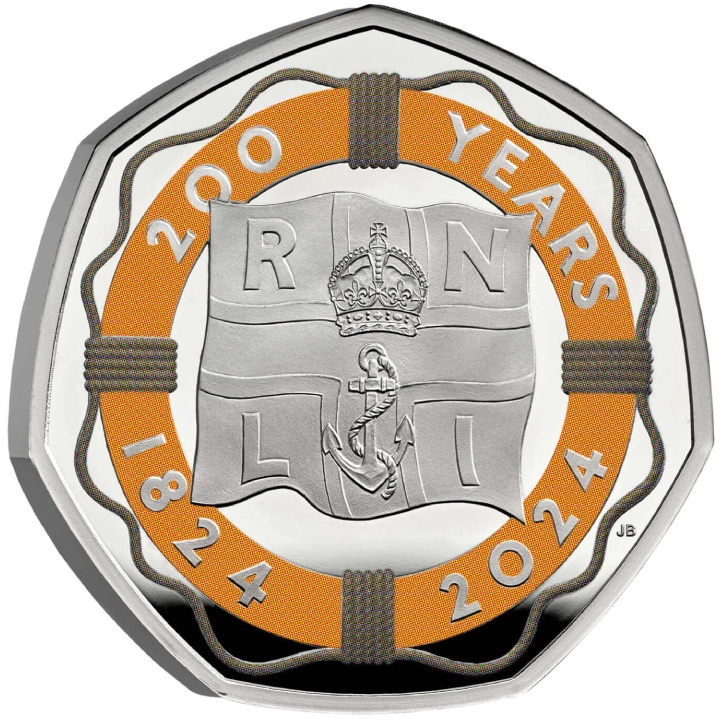

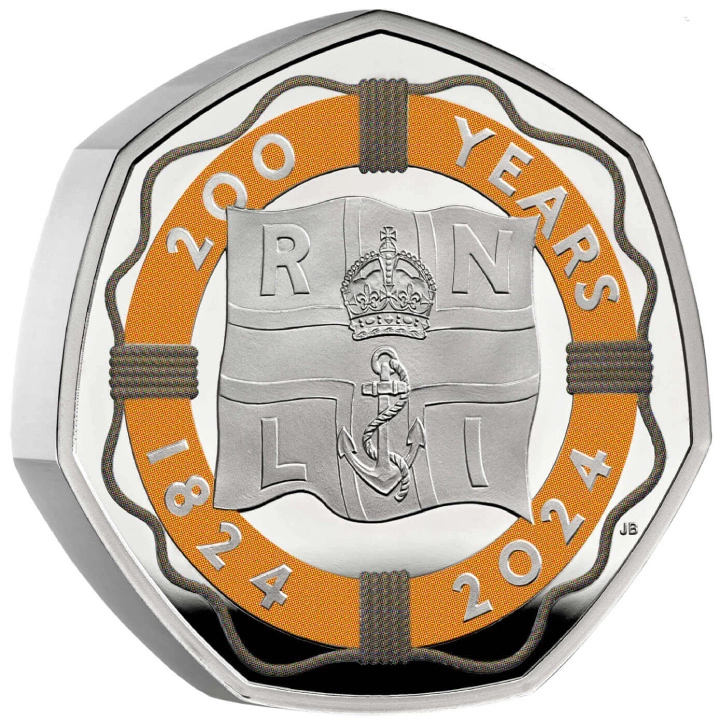
200 Years of the RNLI 2024 kolorowany 50p coloured Silver 2024 Proof



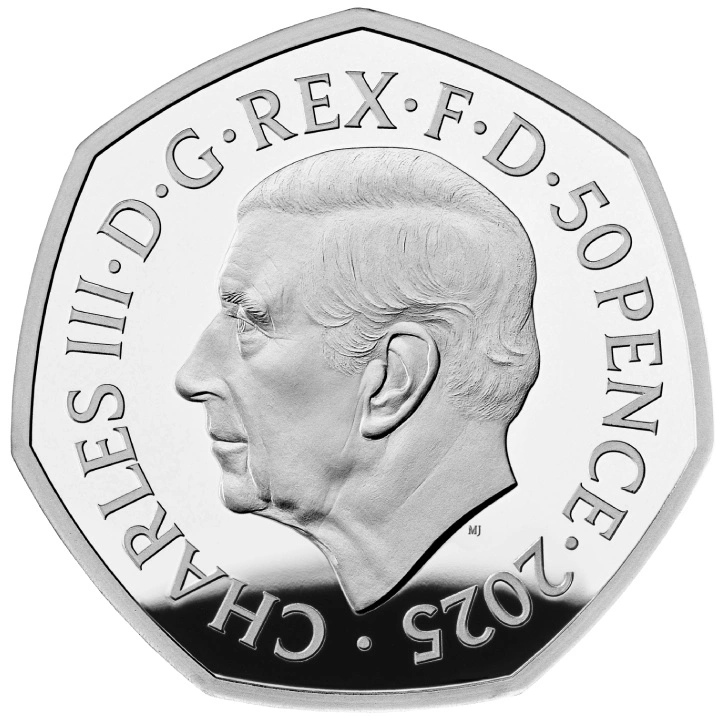
Stories of The Second World War 50p Silver 2025 Proof Piedfort

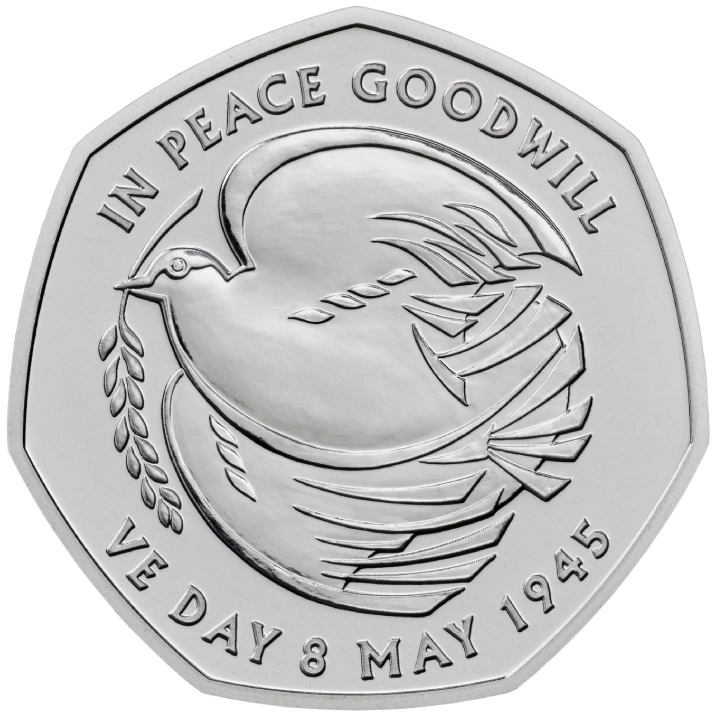

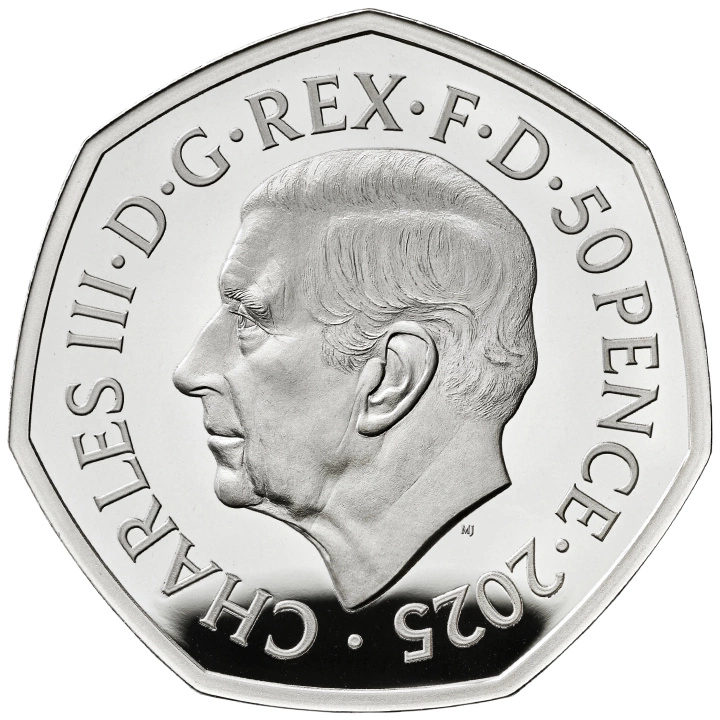

The 80th Anniversary of VE Day 50p Silver 2025 Proof Piedfort

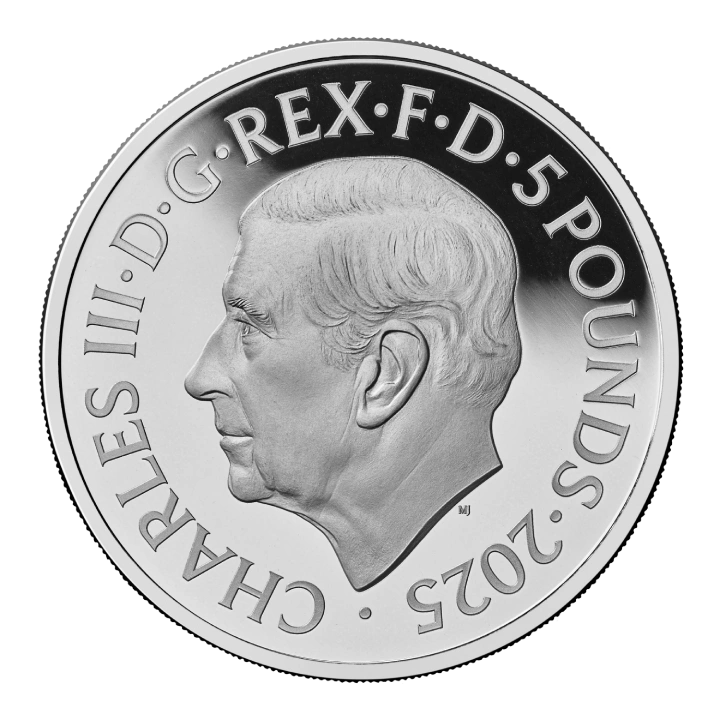


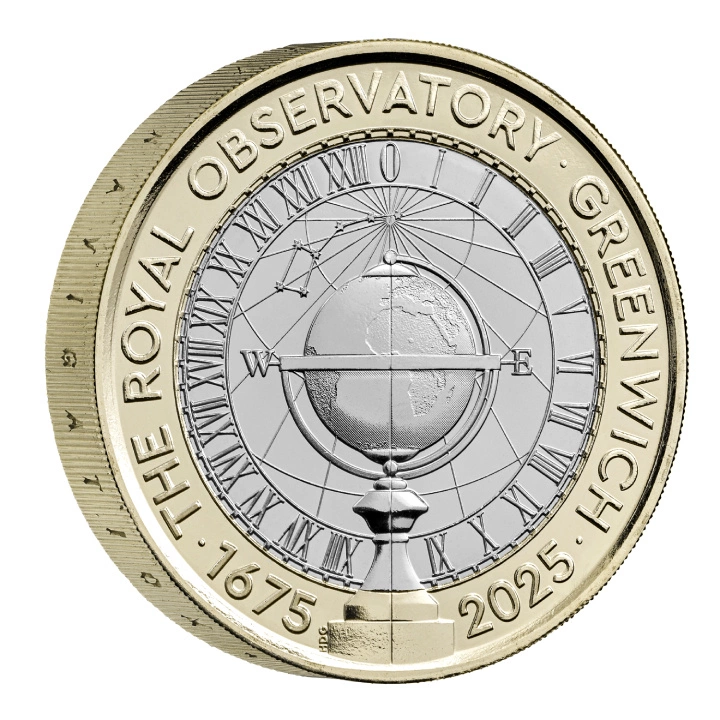
350 Years of the Royal Observatory, Greenwich Cupro-Nickel 2025

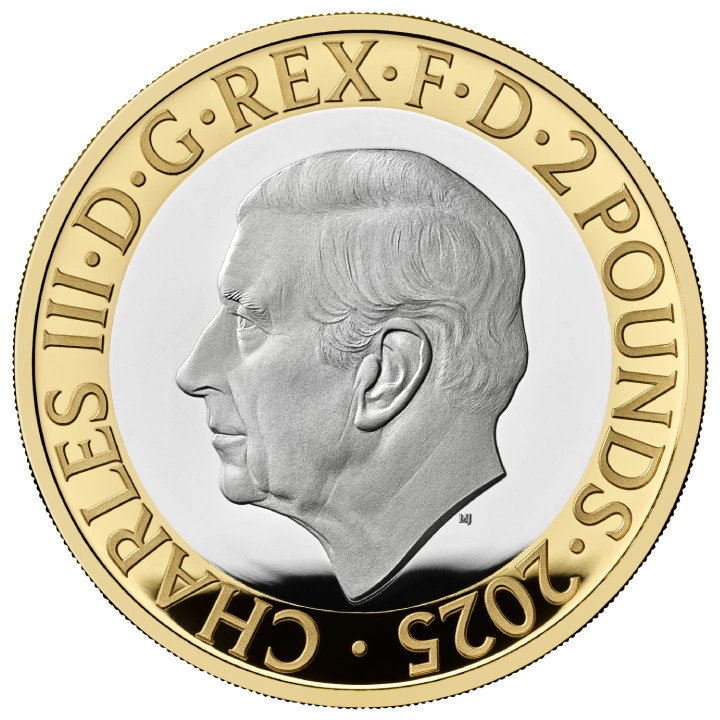
350 Years of the Royal Observatory, Greenwich £2 Gold-plated Silver 2025 Proof

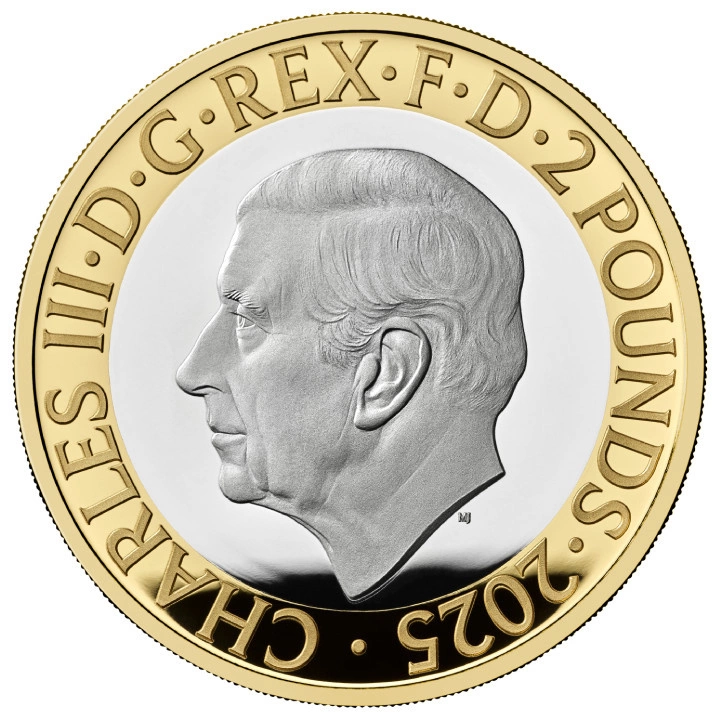
350 Years of the Royal Observatory, Greenwich £2 Gold-plated Silver 2025 Proof Piedfort

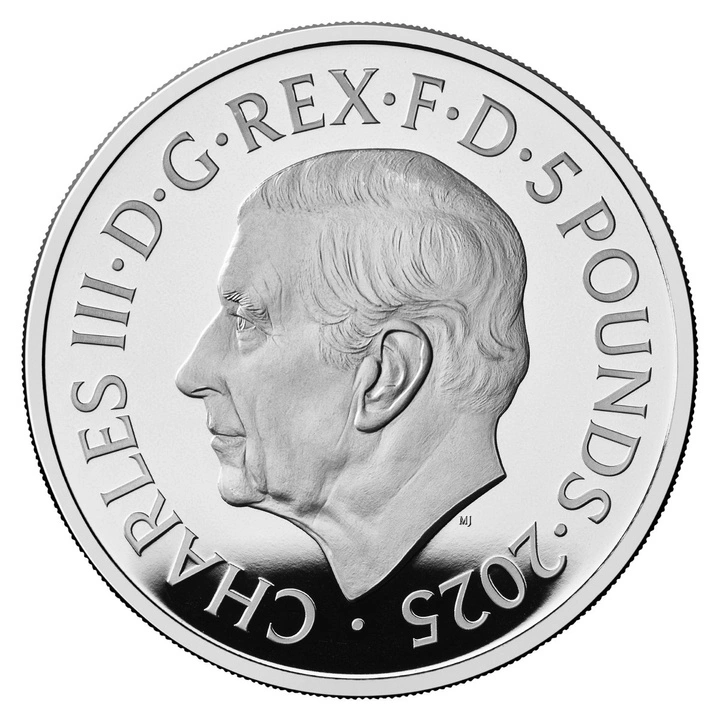


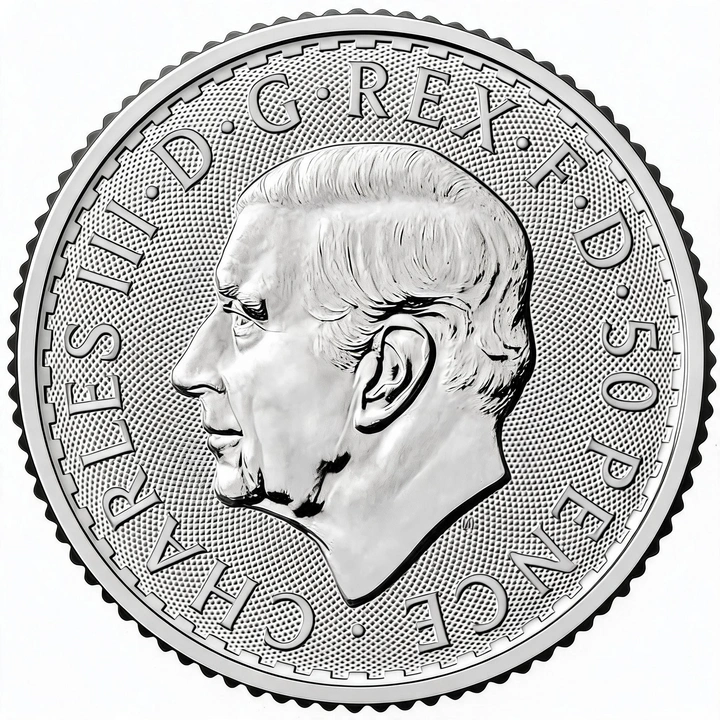

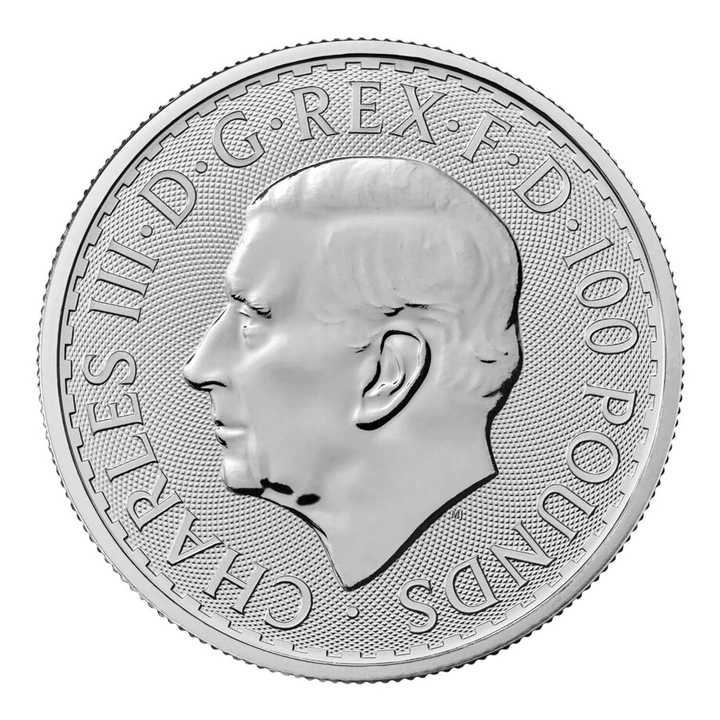


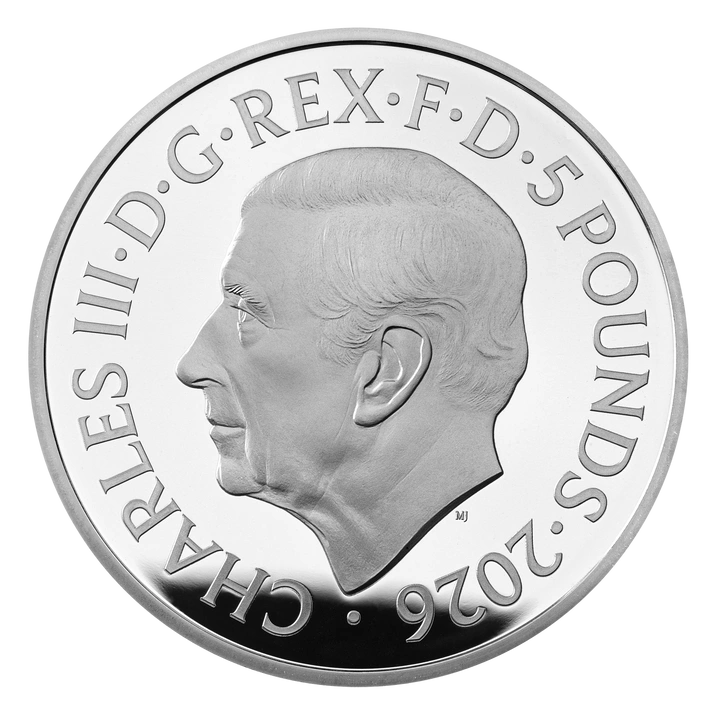
100th Anniversary of the Birth of Queen Elizabeth £5 Silver 2026 Proof

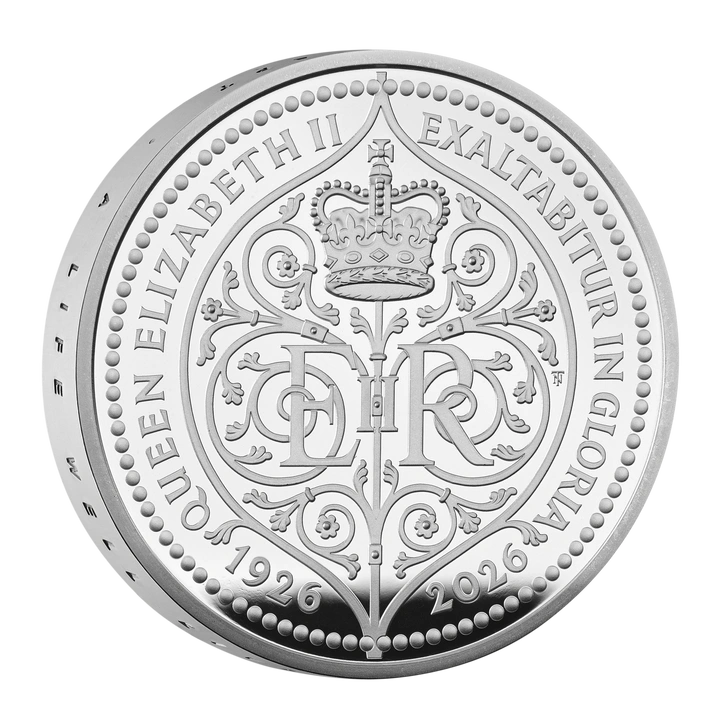
100th Anniversary of the Birth of Queen Elizabeth £5 Silver 2026 Proof Piedfort


Copper-nickel Coin 100 Years of Winnie the Pooh – Loyalty 50p 2026


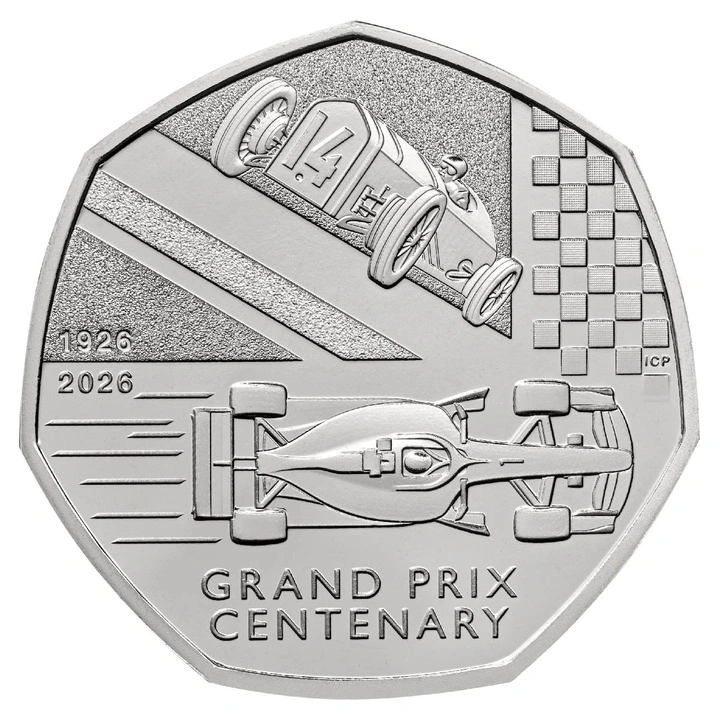

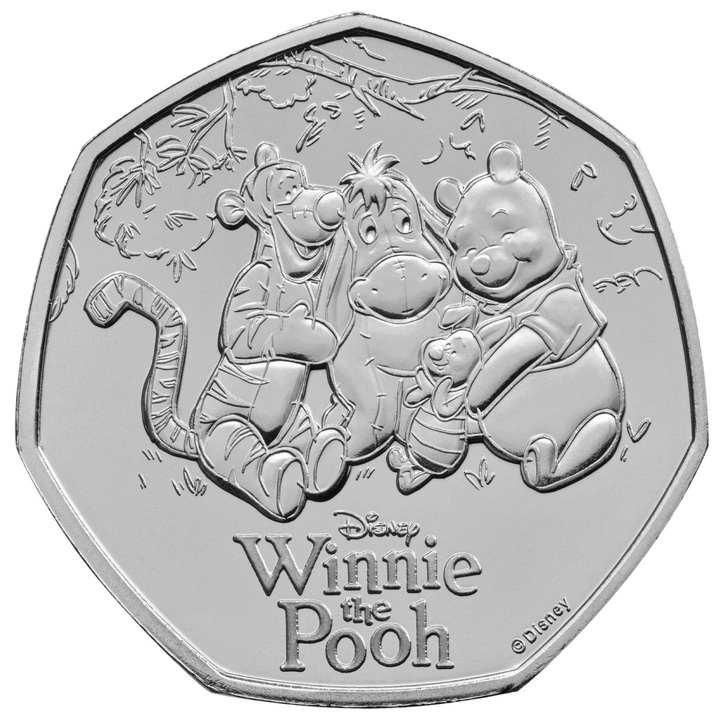
Cupro-Nickel Coin 100 Years of Winnie the Pooh – Friendship 50p 2026


Gold Coin 100 Years of Winnie the Pooh – Friendship 50p 2026 Proof


- 1
- 2

The Royal Mint
History of The Royal Mint
The Royal Mint is one of the oldest and most recognizable mints in the world, with a history spanning more than 1,100 years of minting activity. The symbolic starting point of its history is generally taken to be around the year 886, when silver pennies were struck in London during the reign of Alfred the Great. The mint's actual origins are even older, however, and no single, exact founding date can be pinpointed.
Many local minting centers operated in medieval England. As the state developed, coin production was gradually centralized, and London gained increasing importance. Around 1279 the mint began operating within the Tower of London, where it remained for more than 500 years. Its secure location inside the royal fortress provided suitable conditions for storing bullion and producing coins.

Technological progress and growing demand for coins meant that the buildings of the Tower of London eventually became too cramped for modern minting machinery. At the start of the 19th century, a new headquarters was therefore prepared on Tower Hill. The modern complex opened in 1810, and over the following years The Royal Mint's operations were moved there. The new factory allowed for a significant increase in production scale and the mechanization of the coin-striking process.
The next major change came in the 20th century. Britain's preparations for introducing a decimal system required producing billions of new coins, so the existing facility once again proved insufficient. In 1967 a decision was made to build a modern mint in Llantrisant in South Wales, about 16 kilometers from Cardiff. The first stage of the facility was officially opened by Queen Elizabeth II on December 17, 1968. Production was gradually moved from London, and the Tower Hill premises were finally vacated in 1980.

Today The Royal Mint Limited operates as a company belonging to the British state and remains linked in ownership to His Majesty's Treasury (HM Treasury). The mint is responsible for producing British circulation coins and remains one of the most important producers of precious metal products in the United Kingdom.
The Royal Mint's operations today extend far beyond simply striking circulation coins. The mint offers collector coins, bullion coins, gold, silver and platinum bars, as well as products and services related to investing in and storing precious metals. Its most recognizable products include Britannia and the historic Sovereign.
An important part of The Royal Mint's modern transformation is also the recovery of precious metals from electronic waste. In August 2024, a specialized facility using technology developed by the Canadian company Excir was launched in Wales. It allows the recovery of, among other things, gold found in circuit boards from used computers, phones and other electronic devices. The precious metal recovered this way is also used in the production of 886 by The Royal Mint jewelry. The name "886" itself refers to the symbolic date of the mint's founding.
Interesting fact – security features of Britannia coins
The authenticity of precious metal products is of particular importance to both investors and collectors. For this reason, the world's largest mints are developing technologies that make coins harder to counterfeit and easier to verify as genuine.
One of the best examples of such solutions are the Britannia bullion coins produced by The Royal Mint. In introducing a new generation of security features, the British mint declared Britannia the most visually secure bullion coin in the world. The features used can be observed without specialist equipment, simply by tilting the coin in the light.
Four distinctive security features were applied to the reverse of the Britannia coins:
This effect was achieved through the use of four innovative security features:
- a latent image – working like a hologram, changing from a padlock to a trident depending on the angle at which the coin is viewed,
- surface animation – laser-produced micro-details create the illusion of waves behind the figure of Britannia, which come to life as the coin is turned,
- microtext – the inscription "DECUS ET TUTAMEN" surrounding the figure of Britannia is also produced using an advanced laser,
- tincture technique – colors and patterns on the metal are indicated using symbols – lines.
The combination of these solutions means that the modern Britannia is not only one of the most recognizable British bullion coins, but also one of the most advanced of The Royal Mint's investment products in terms of security.

Scale of production at The Royal Mint
For decades, The Royal Mint was among the largest producers of circulation coins in the world. The scale of operations at the Llantrisant facility was particularly evident during Britain's preparations for decimalization. As early as 1969, new production lines allowed for the manufacture of more than 50 million coins per week, and the currency reform ultimately required the production of almost six billion new coins in total.
In the following decades, The Royal Mint produced coins not only for the United Kingdom but also for numerous foreign central banks and issuing authorities. For example, in the 2021/2022 financial year the mint produced around 339 million British circulation coins and around 1.55 billion coins and blanks for 22 countries.
At the same time, precious metals, bullion coins, investment bars, collector coins and the recovery of metals from electronic waste play an increasingly important role in the company's operations. The Royal Mint's offering includes products made of gold, silver and platinum, aimed at both investors and collectors.
The most popular The Royal Mint coins
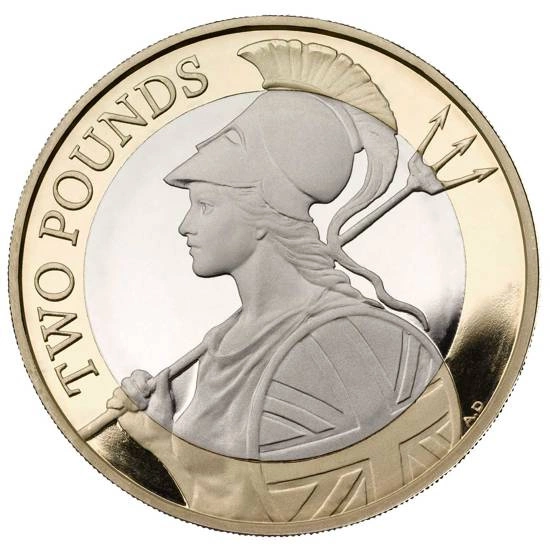
One of the mint's best-known products is Britannia, whose gold version was launched onto the market in 1987 and quickly became one of the most important British bullion coins. Silver and platinum versions followed in later years. The distinctive image of Britannia by Philip Nathan has become one of the most recognizable symbols of modern British coinage.
The second icon is the Sovereign – a gold coin whose history dates back to 1489. Its modern form is particularly associated with the classic depiction of Saint George fighting the dragon by Benedetto Pistrucci. The Sovereign remains one of The Royal Mint's flagship products and one of the most recognizable British gold coins in the world.
The Queen's Beasts series also gained great popularity among collectors. The collection depicted ten heraldic creatures symbolizing the royal ancestors of Elizabeth II. Their monumental statues stood in front of the entrance to Westminster Abbey during the Queen's coronation in 1953. The series began in 2017 with the Lion of England, and subsequent issues featured, among others, the Red Dragon of Wales, the Unicorn of Scotland, the Griffin of Edward III and the White Horse of Hanover.
The collection was crowned by a special Queen's Beasts Completer coin, which featured all ten heraldic Queen's Beasts. The series became one of The Royal Mint's most distinctive modern designs, combining British heraldry, the history of the monarchy and modern collector coinage.