Austrian Mint
( number of products: 6 )
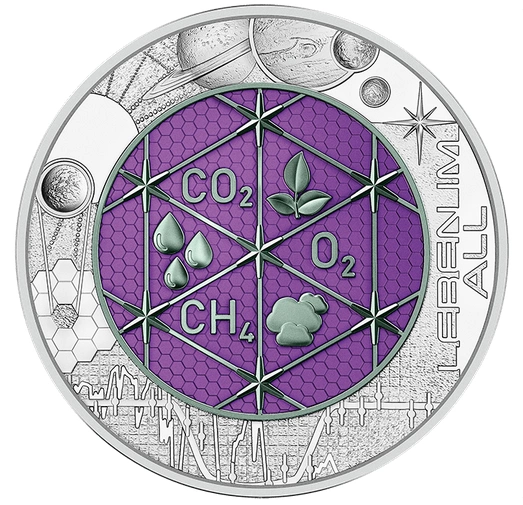

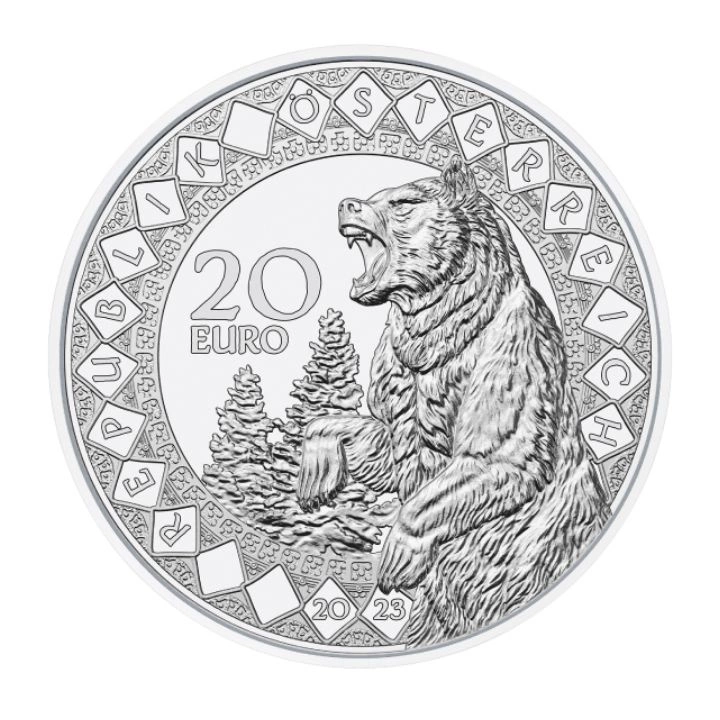
America - The Healing Power of the Bear 20 Euro Silver 2023 Proof

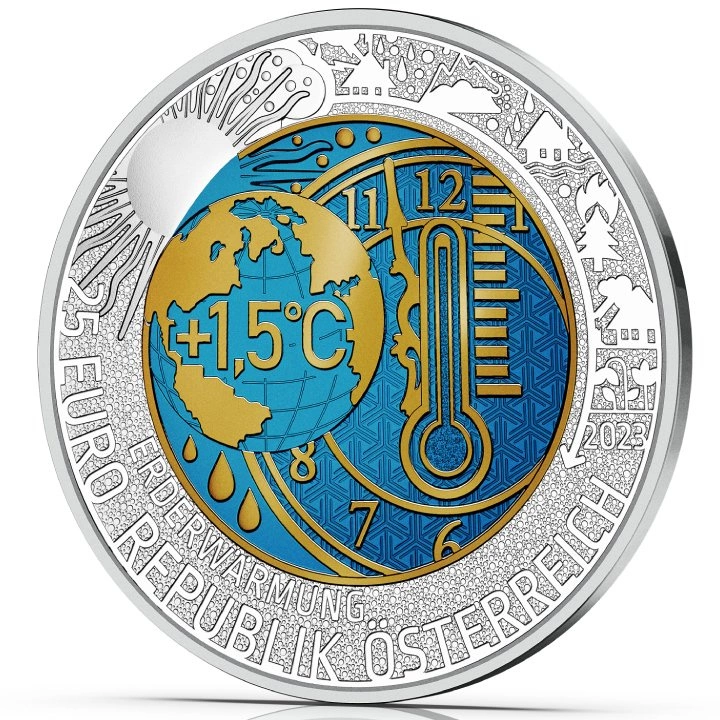
Niobium Series: Global Heating colored 25 Euro Silver 2023


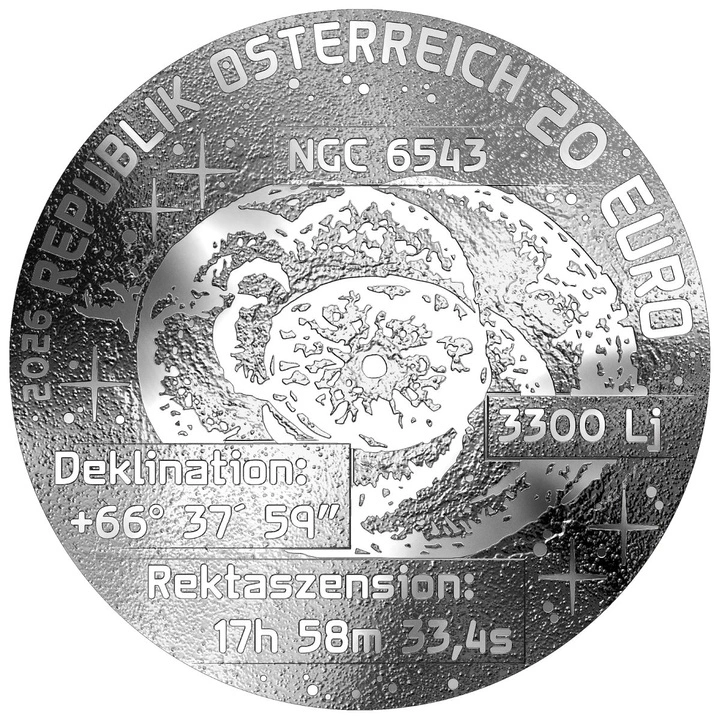
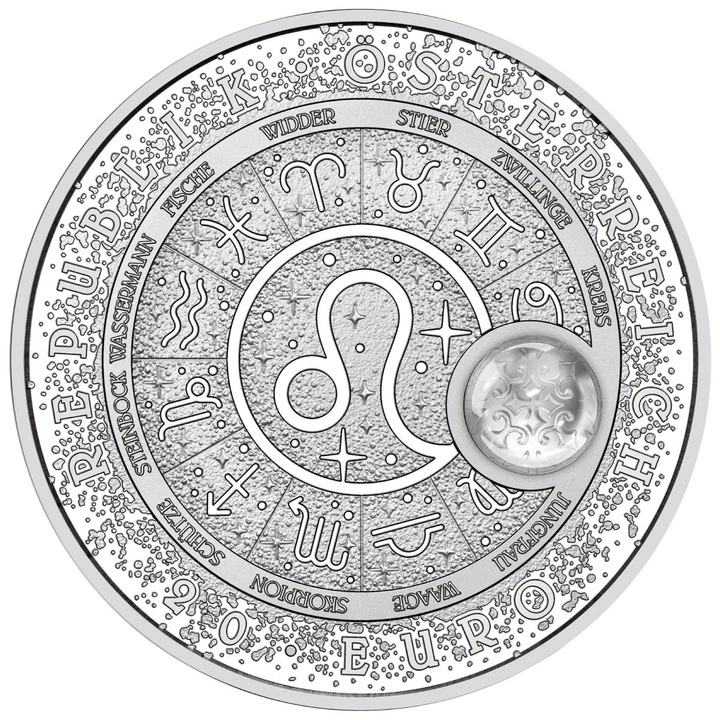
The Beauty of the Universe Cat's Eye Nebula Colorized 20 Euro Silver 2026 Proof

Austrian Mint
Austrian Mint
Austrian Mint (Münze Österreich AG) is one of the oldest mints in the world, with a history spanning more than 800 years. The Austrian mint specializes in producing gold and silver investment coins, collector coins and precious metal bars.
The most recognizable product of the Austrian Mint is the Vienna Philharmonic – one of the most popular bullion coins in the world. The mint's offering also includes traditional Austrian ducats, collector coins and modern issues made of gold, silver, platinum and niobium.
History of the Austrian Mint
The history of the Vienna mint dates back to the 12th century. According to tradition, its origins are linked to Richard the Lionheart, who, upon returning from a crusade, was captured by Duke Leopold V. A huge ransom in silver was paid for his release, which was subsequently used to strike coins.
Over the centuries, the mint changed its location several times. It was ultimately moved, in the first half of the 19th century, to Heumarkt in the center of Vienna, where it remains to this day.
With the founding of the Republic of Austria in 1918, the Vienna mint became the country's main and only mint. Under its current name, Münze Österreich AG (Austrian Mint), it has operated since 1989 and is wholly owned by the Austrian National Bank.
Gold and silver coins from the Austrian Mint
The Austrian Mint produces a wide selection of investment and collector coins in gold and silver, as well as platinum and niobium. The mint's products stand out for their high manufacturing quality and distinctive design inspired by Austria's history and culture.
The most important investment coin in the offering is the Vienna Philharmonic. Gold and silver Philharmonics are among the most popular bullion coins in the world and are valued for their high metal purity and recognition on the international market.
The Austrian ducats, whose tradition dates back to the 16th century, are also noteworthy. Modern issues draw on historical coins struck during the reign of Emperor Franz Joseph I.
The Austrian Mint is also known for producing niobium coins, which combine niobium with other metals and stand out for their original design and themes dedicated to science, technology and humanity's greatest achievements.
Over the years, several competing mints were established in Austria, located in cities such as Graz, Krems, Salzburg, Innsbruck and Villach, but with the founding of the Republic of Austria in 1918, their operations were ended. The Vienna mint then became the country's main and only mint and has held this position to this day.

Interesting facts about the Austrian Mint
The Austrian Mint can boast a minting tradition spanning more than 800 years. In the early period, coins were struck by hand using a hammer. From the 16th century onward, increasingly advanced devices began to be used, such as roller, rocker and screw presses, which made it possible to significantly increase output and improve coin quality.
An important event in the mint's history was the establishment in 1733 of an engraving academy. Its activities contributed to the development of the high standards of the art of coin-making for which the Austrian Mint is still renowned today.
Modern equipment now allows for the production of up to 750 coins per minute, enabling the mint to combine centuries-old traditions with advanced production technology.
Scale of production at the Austrian Mint
The Austrian Mint is one of the most important mints in Europe. With a workforce of fewer than 200 people, it produces around 350 million coins every year, including circulation, investment and collector coins.
A significant part of production consists of the Vienna Philharmonic. The popularity of this coin stems, among other things, from its high liquidity, the recognition of the Austrian Mint brand and the very high purity of the metal used.


Most popular Austrian Mint products
The mint's best-known product is the Vienna Philharmonic, available in gold, silver and platinum versions. The Gold Philharmonic is produced from .9999 fine gold, and its obverse depicts the organ located in the Golden Hall of the Vienna Musikverein. The reverse features eight instruments of the orchestra: four pairs of violins, a cello, a horn, a harp and a bassoon.
The mint's best-known product is the Vienna Philharmonic, available in gold, silver and platinum versions. The Gold Philharmonic is produced from .9999 fine gold, and its obverse depicts the organ located in the Golden Hall of the Vienna Musikverein. The reverse features eight instruments of the orchestra: four pairs of violins, a cello, a horn, a harp and a bassoon.
Also very popular are Austrian gold ducats, including the well-known 1915-dated ducat. Modern restrikes draw on historical coins bearing the image of Emperor Franz Joseph I and the Habsburg coat of arms.
Four pairs of violins, a cello, a horn, a harp and a bassoon
The Austrian ducat also enjoys enormous popularity. Gold ducats were struck from the early 16th century until 1915, when wartime disruptions led to production being halted. Among other reasons, this is why all ducats struck today bear this date. The obverse of the coin is adorned with the image of Franz Joseph I, while the reverse shows the Habsburg coat of arms and the aforementioned date of 1915.
Austrian Mint products in our offer
In this category you will find gold and silver coins from the Austrian Mint, as well as gold bars and selected collector coins.